
EV Charging Connectivity Solutions
Close connection gaps and offline blind spots. We provide the unbreakable edge-to-cloud data bridge for EVSE networks—featuring industrial gateways for OCPP networks, 4G EV charger routers, and high-density Ethernet servers.
Why Standard M2M Connectivity Fails in EV Infrastructure
Mission-critical EVSE networks cannot rely on generic IoT gateways. Standard networking hardware routinely fails at the edge due to four brutal industrial realities.
Unrecovered Cellular Freezes
When a generic M2M modem hangs during cell tower handoffs, it creates a silent drop. Without a dedicated IC hardware watchdog to physically cycle power at the pin level, the charger remains offline until a costly truck roll is dispatched to manually reboot the system.
OCPP WebSocket Fragmentation
OCPP 1.6-J and 2.0.1 require persistent TCP/IP WebSocket connections. Basic industrial modems often fragment high-frequency JSON payloads (sticky packets), leading to missed billing heartbeats, interrupted charging sessions, and corrupted OTA firmware updates.
Hardware Telemetry Extraction
While billing data flows through standard OCPP, extracting real-time hardware health telemetry (voltage, temperature) from Modbus-based components is an integration nightmare. Forcing developers to build custom middleware to pull this hardware data into modern IoT platforms introduces severe system fragility.
Remote Management of EV Charging Stations
Managing IP parameters and virtual serial ports for 1,000 distributed nodes shouldn’t require a costly cloud SaaS subscription. Without a reliable utility to execute batch IP configurations or push remote firmware updates over the local network, your engineering team will drown in manual maintenance tasks.
Engineering the Right Architecture for Your Deployment
Stop treating industrial EVSE networks like home offices. Here is what is actually required to keep different charging environments online, secure, and profitable.
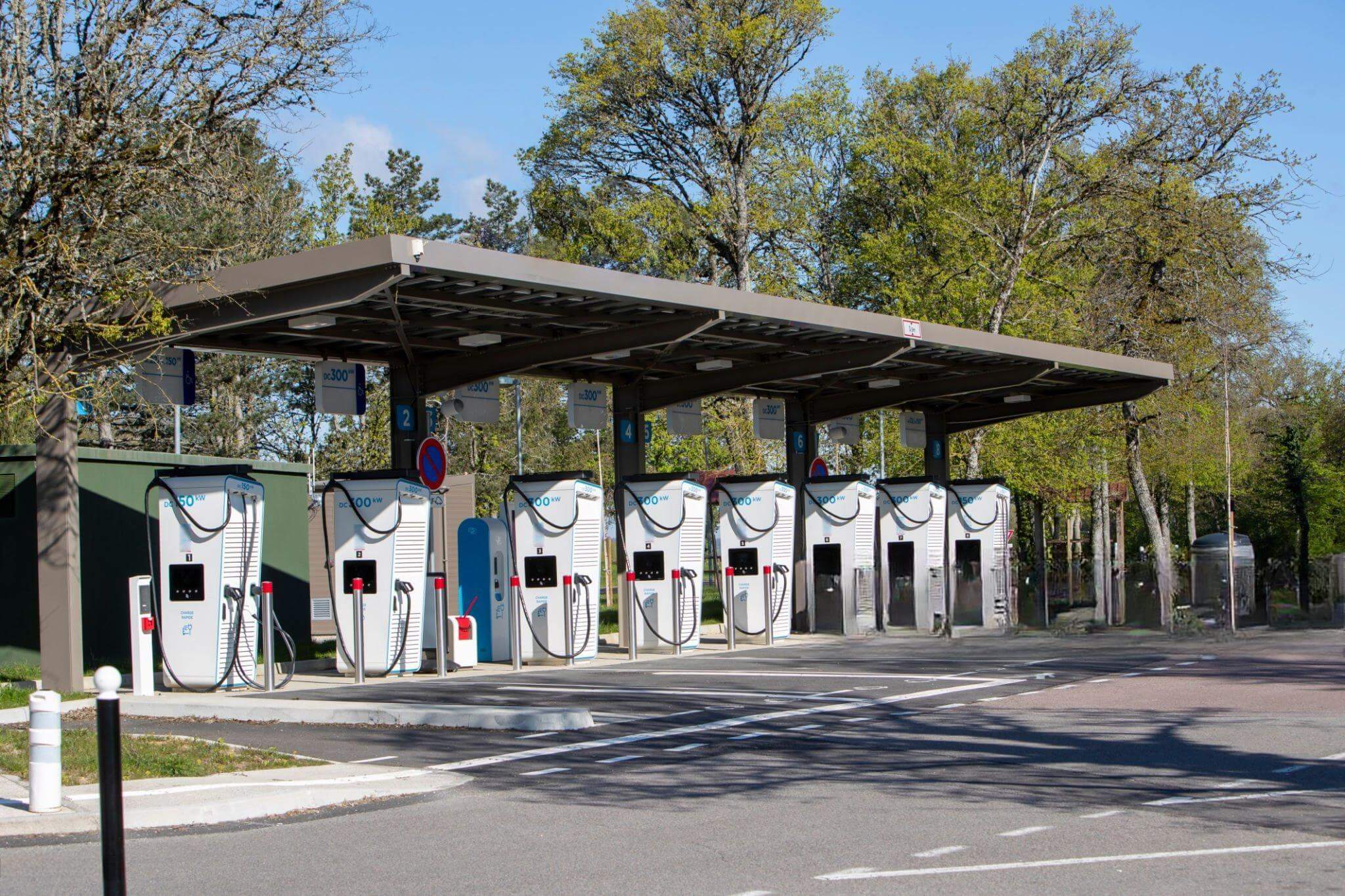
Scenario A: Highway DC Fast Charging Hubs
Secure Cellular 4G & VPN Routing
Public DC fast chargers require absolute uptime for payment processing and OCPP heartbeats. Consumer IT gear drops connections during cell tower handoffs, leaving stations stranded.
- Stateless VPN Tunneling: Instead of heavy legacy VPNs, outdoor hubs require lightweight, stateless protocols (like WireGuard). If the 4G signal fluctuates, the tunnel must recover in milliseconds to prevent billing timeouts.
- Native Voltage Tolerance: To survive power dips when heavy chargers engage, the networking hardware must natively accept 9~24V DC inputs directly from the cabinet without vulnerable external power adapters.
Scenario B: Basement AC Charging Networks
High-Density Serial-to-Ethernet
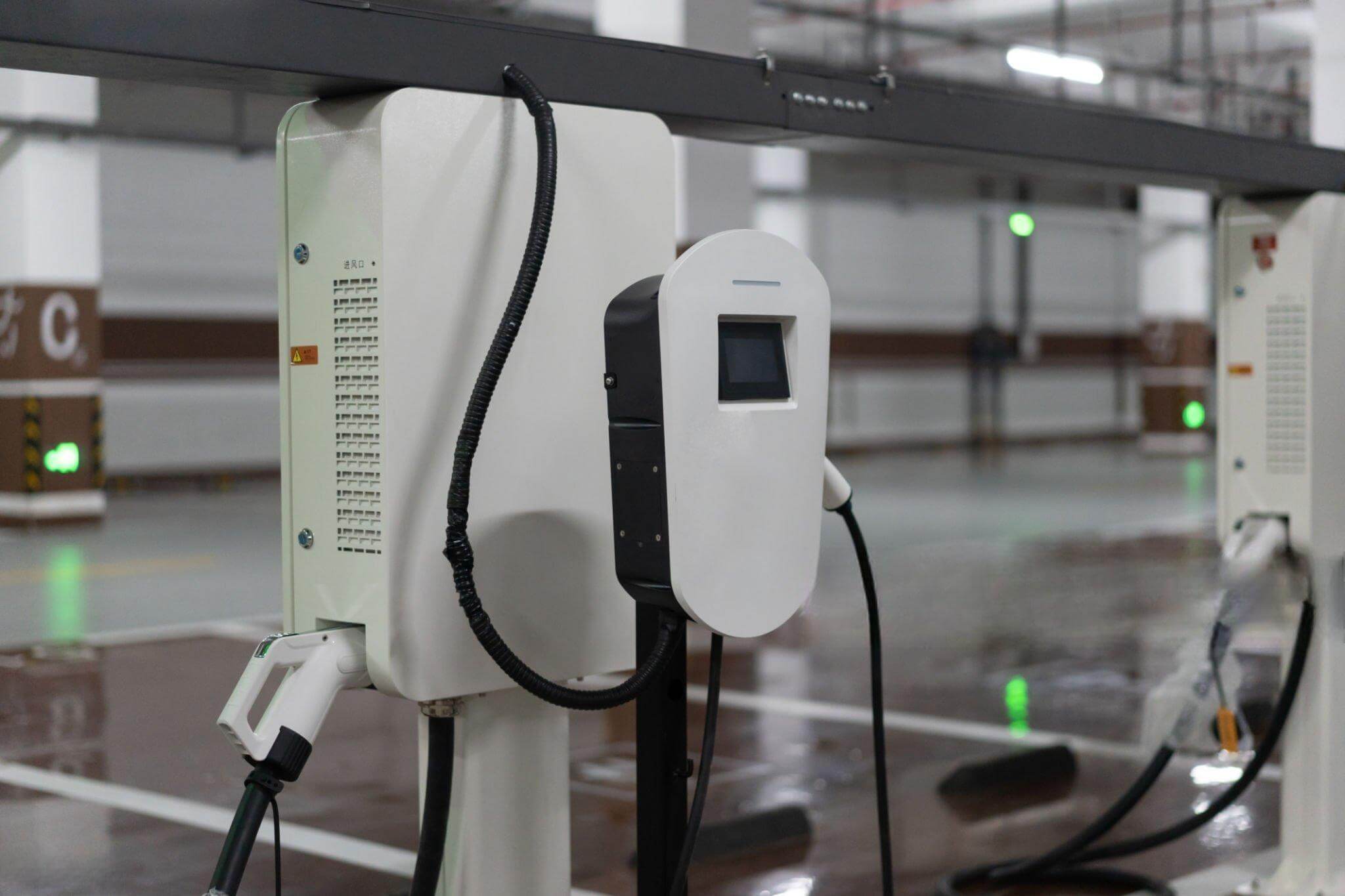
Underground residential parking lots severely block cellular signals. Deploying dozens of AC slow chargers requires pulling a stable Ethernet backbone down to the basement.
- Daisy-Chain Topology: Running individual Ethernet cables from a central switch to 30 chargers is cost-prohibitive. The architecture demands dual-port Ethernet modules that allow cascading the connection from one station directly to the next, drastically reducing switch port requirements.
- Galvanic Isolation: To protect the entire cascaded network from ground loops and surges originating from the vehicles, the serial connections must feature industrial-grade optocoupler isolation.
Scenario C: Edge Telemetry & Predictive Maintenance
Modbus-to-MQTT IoT Gateways
Billing is taken care of by standard OCPP, but CPOs are increasingly looking for parallel IoT channels to monitor the health of their internal hardware (power modules, cooling fans), and predict failures before they happen.
- Zero-Code JSON Conversion: The VT-DTU500 is a dedicated telemetry bridge. It polls internal sensors over RS485 and natively converts Modbus RTU data to JSON payloads over MQTT to your AWS/Azure dashboards.
- Universal Power Tapping: Ultra-wide 9~48V DC input directly embedded into the charger housing, easily tapping into the existing internal power bus.
IT/OT Convergence Topology
Click the functional modules below to reveal their engineering logic and hardware roles.
Node Info
Hardware Specification Matrix
Verify electrical isolation, serial interfaces, and operating environments for your EVSE build.
| Model Series | Target EVSE Scenario | Uplink Interface | Key Industrial Protections | Action |
|---|---|---|---|---|
| VT-LTE400 | DC Fast Charging (Outdoor) | 4G Cellular Router | Hardware Watchdog | WireGuard VPN | 9~24V DC | View Specs |
| 2/4/8CH-RS485-ETH (VI) | AC Hubs (Basement LAN) | Ethernet (Dual-Port Cascade) | 3000V Isolation | DIN-Rail | View Series |
| VT-DTU500 | Legacy AC Retrofits | 4G / WiFi / Eth | Modbus to JSON | 9~48V DC | View Specs |
Deep-Dive Technical FAQ
Network stability: OCPP 1.6 Vs OCPP 2.0.1?
Do I need Dual-SIM routers for remote EV charging stations?
Instead of relying on fragile software-based SIM switching, the VT-LTE400 is engineered with an independent IC Hardware Watchdog. It continuously pings the network; if it detects a silent drop or system freeze, the watchdog physically cuts power to the modem at the board level, forcing a cold reboot. This guarantees autonomous recovery without dispatching a technician.