Industrial Ethernet Relay Controllers & I/O Modules
Reliable Remote I/O Nodes for Modbus TCP, MQTT, and High-Power Relay Actuation
We offer rugged, industrial-grade remote I/O controllers that serve as the vital communication backbone for your automation systems. Featuring Ethernet, Wi-Fi, 4G LTE, and Serial options, our intelligent edge nodes enable precise data acquisition and real-time monitoring of field signals without complex programming.
Choose the Right Ethernet Relay Controller & I/O Node
Compare I/O channel density, networking interfaces, and supported industrial protocols.
| Model / Series | Network Uplink | I/O Channels (DI/DO/AI) | Supported Protocols | Action |
|---|---|---|---|---|
| 8CH-IO-LTE Cellular Edge Controller | 4G LTE / RS485 | 8 DI / 8 DO / 8 AI | Modbus TCP/RTU, MQTT, HTTP, JSON | Specs |
| 8CH-IO-WF Wireless LAN Controller | Wi-Fi / Ethernet / RS485 | 8 DI / 8 DO / 8 AI | Modbus TCP/RTU, MQTT, JSON | Specs |
| 8CH-IO-ETH High-Density Ethernet Node | Wired Ethernet / RS485 | 8 DI / 8 DO / 8 AI | Modbus TCP/RTU, MQTT, HTTP | Specs |
| 4CH-IO-ETH Compact Ethernet Node | Wired Ethernet | 4 DI / 4 DO / 2 AI | Modbus TCP, Modbus RTU | Specs |
| 4CH-IO-RS232/485 Legacy Serial Node | RS232 / RS485 | 4 DI / 4 DO / 2 AI | Modbus RTU Only | Specs |
Industrial Remote Terminal Units (RTU)
Engineered for extreme environments, these intelligent nodes provide the reliable data acquisition and command execution backbone that modern SCADA systems demand.
Industrial-Grade Reliability
Engineered for -40°C to 85°C operation, our Industrial I/O Controllers are designed to operate reliably in harsh environments, reducing downtime.
Unified Protocol Support
Simplify integration with built-in support for Modbus TCP/RTU, MQTT, and JSON. Our modules speak your cloud system’s language directly.
Flexible Connectivity & Deployment
Choose from Ethernet, Wi-Fi, 4G LTE, or RS485 connectivity. DIN-rail mounting enables easy installation in any control cabinet.

Remote Monitoring & Control
Gain real-time visibility. Manage digital and analog points, respond to alerts and optimize processes without on-site technicians.
Scalable System Integration
Start with a single node and expand as needed. Designed to seamlessly integrate into larger SCADA, PLC, or AWS/Azure IoT platforms.
Dedicated Technical Partnership
Beyond the product, we offer customization (OEM/ODM), comprehensive documentation, and expert technical support for complex integrations.
Intelligent I/O Controllers vs. Basic Signal Modules
Why upgrading from passive I/O blocks to intelligent edge controllers lowers your Total Cost of Ownership.
| Feature | Valtoris Intelligent I/O Controllers | Basic Relay / Input Modules |
|---|---|---|
| System Intelligence | Built-in processors handle tasks like data logging, logic (DO hold), and local pulse counting for your digital and analog I/O. | Passive. Only converts signals, acting as basic PLC input/output modules that push all computing complexity to the central controller. |
| Network Integration | Built for seamless remote I/O communication via IP networks (Ethernet/WiFi/4G), allowing flexible, point-by-point geographical expansion. | Relies on dedicated PLC backplanes or complex wiring, limiting its use as a true remote I/O extension for your PLC. |
| Diagnostics & MTTR | Provides detailed diagnostic feedback (channel status, comms health) and remote configuration. | Lacks self-diagnostics. Fault-finding remains a time-consuming, manual, on-site process. |
| Application Scope | Engineered for modern Smart Manufacturing & IoT. Connects directly to SCADA and MQTT brokers. | Limited to simple, static tasks bound to traditional legacy controllers. |
Is Valtoris Remote I/O the Right Fit?
We believe in engineering transparency. Here is a candid guide to where our intelligent I/O nodes excel, and where you should look for different architectures.
| Application Scenario | ✓ Perfect Match | ✕ Not Recommended |
|---|---|---|
| Response Time | SCADA telemetry, environmental monitoring, and remote actuation tolerating millisecond latency (relay response <30ms). | High-speed motion control: Sub-microsecond sync for multi-axis CNC or robotics strictly requires a distributed clock architecture. *Architectural Note: If you are building a motion control network, you will need EtherCAT Junctions instead of Remote I/O nodes. |
| Control Logic | Lightweight edge logic: offline DO hold states, local DI pulse counting, and peer-to-peer (P2P) mapping without a PLC. | Complex automation: Executing closed-loop PID control or heavy ladder logic. You will need to purchase a full-scale central PLC for this. |
| Network Topology | Distributed cross-facility layouts, or pushing JSON payloads directly to MQTT clouds via 4G/Wi-Fi. | Centralized PROFINET cells: Centralized cabinet polling for Siemens S7-1200/1500 PLCs. *Architectural Note: Stick to your Siemens PLC. To expand that network, look into unmanaged PROFINET Switches (CC-A compliant). |
Key Advantages of Deploying Valtoris I/O Controllers
Engineered to secure your industrial data and eliminate blind spots.
Extended Reach & Network Flexibility
Bridge connectivity gaps. Deploy wireless remote i/o from local control cabinets via Ethernet to remote solar farms via 4G LTE—anywhere traditional wiring is impractical.
Data Integrity in Noisy Environments
Our modules provide accurate signal acquisition in the presence of strong EMI common to factory floors, utilizing isolated digital i o and robust electrical protections.
Enhanced Protocol Security
We provide a standardized data pipeline with secure protocols like Modbus TCP and MQTT (SSL/TLS) to minimize the risk of unauthorized access.
Simplified Cloud Integration
AOur controllers act as a universal bridge, taking analog (4-20mA) and digital signals and translating them directly into TCP/IP JSON payloads. Future-proofing plug and play.
Typical Applications Of Valtoris Industrial I/O Controllers
Discover how distributed I/O acquisition is transforming operational efficiency.

Industrial Automation & Machine Control
Eliminate costly wiring. Our Ethernet I/O controllers provide deterministic connectivity to sensors and actuators directly on the Modbus TCP network.

Remote Infrastructure Monitoring
Secure always-on data. Our 4G LTE I/O controllers wirelessly transmit critical readings from tanks and pumps back to your control room.
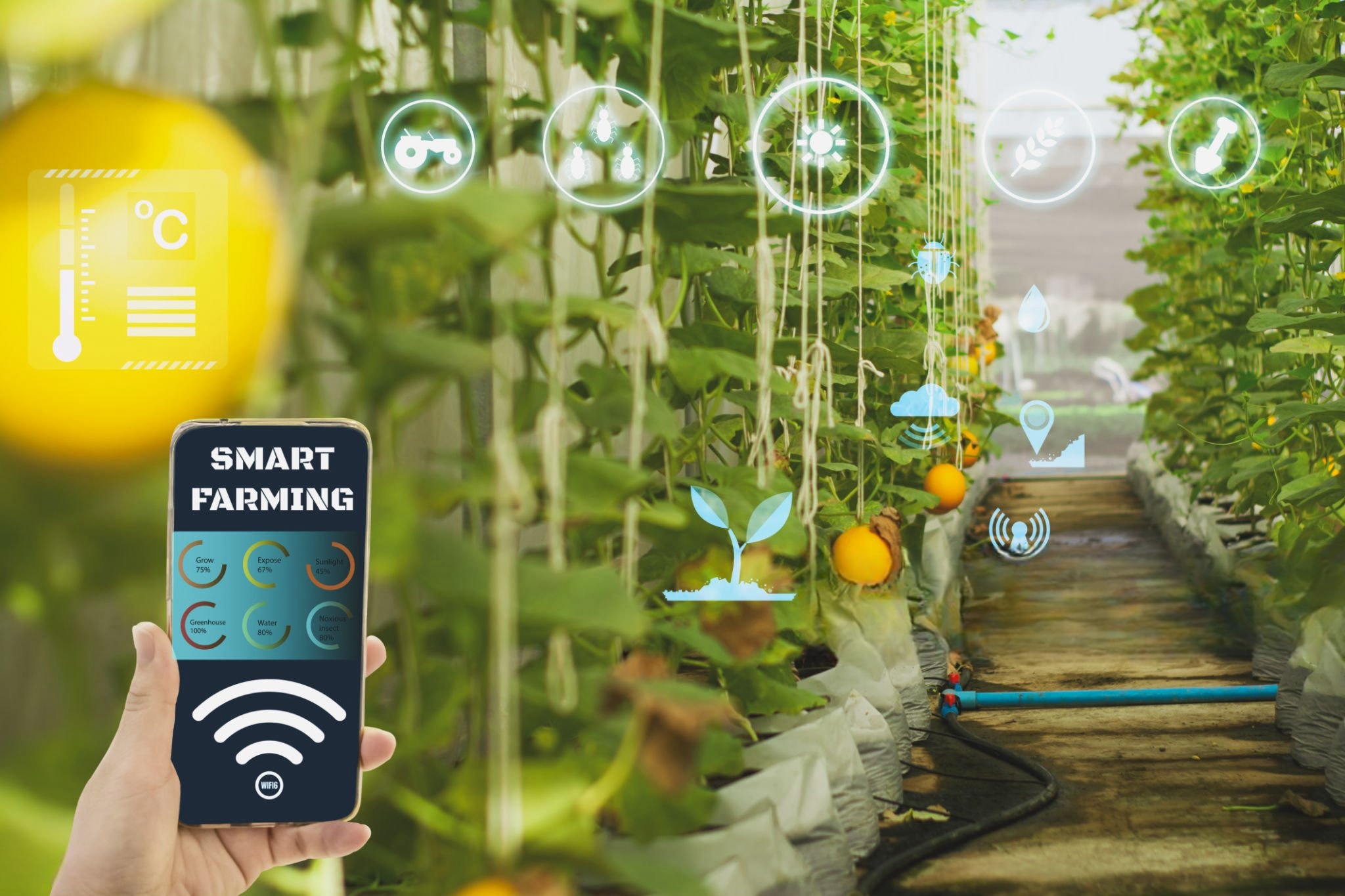
Smart Agriculture & Precision Control
Automate wide areas. Our wireless I/O controllers enable precise command over irrigation and ventilation based on real-time soil (AI) data.
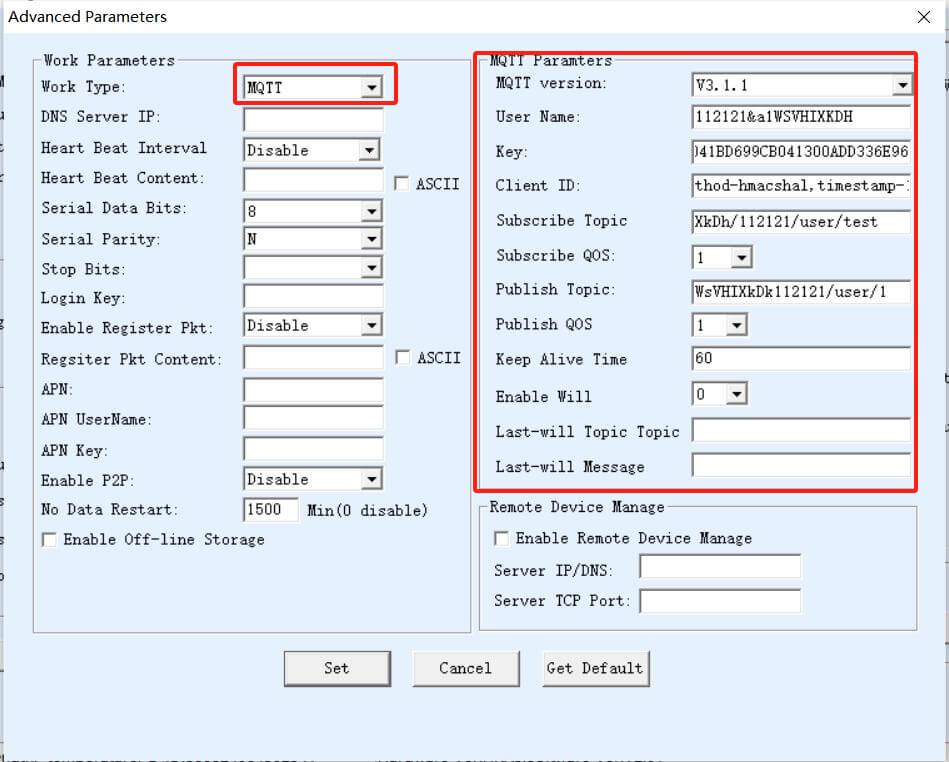
Configure & Calibrate in Minutes
Eliminate complex PLC programming. Our free VirCom Utility provides an intuitive visual interface for complete device management.
- Easily map Modbus registers to JSON payloads or MQTT topics via simple dropdown menus.
- Configure SSL/TLS certificates directly for secure AWS/Azure IoT integration.
- DI-to-DO P2P Control: Bind a Digital Input on Device A to trigger a Digital Output on Device B over the network.
- DO Hold State: Define fail-safe relay positions if the network heartbeat is lost.
- Zero and span calibration for 4-20mA / 0-5V sensors directly in the software, eliminating external signal conditioners.
What Our Clients Say
Learn from system integrators how our I/O controllers simplified their projects.
“We needed to add sensor monitoring on an older production line without shutting it down for weeks to run conduit. The Valtoris 8CH-WF modules were the perfect fit. We mounted them locally, connected the sensors, and they were talking to our SCADA system the same day.”
“Monitoring remote irrigation pumps across square miles was a challenge. Cellular data loggers were expensive. We standardized on Valtoris 4G I/O controllers. Now we get real-time status and DO control for a fraction of the cost, and the outdoor reliability is exceptional.”
Industrial Input Output Controller Related Resources
Explore practical guides and technical insights on distributed I/O acquisition.
Industrial Remote I/O Systems: PLC Solutions & ROI Calculator
Calculate your return on investment and explore practical PLC integration strategies for your distributed network architecture.
Read Article Technical GuideEthernet I/O in 2026: 6 Critical Questions Every Automation Engineer Asks
Address the most critical concerns regarding latency, cybersecurity, and topology when upgrading to Ethernet-based I/O.
Read Article Cost AnalysisDistributed I/O vs Remote I/O: Which One Actually Saves You Money?
A deep dive into the architectural differences and hidden cost factors associated with scaling your industrial control system.
Read Article Protocol SelectionEtherNet/IP, PROFINET, or Modbus TCP? How to Choose for Remote IO Module
Navigate the complexities of industrial protocols. Compare performance, compatibility, and implementation costs for your project.
Read Article Hardware SpecsSelecting the right Modbus RTU I/O Modules: Specs, Wiring & Troubleshooting
Master the physical layer. A comprehensive guide to wiring standards, technical specifications, and resolving common Modbus RTU issues.
Read Article Wiring GuideHow to Wire NPN & PNP Sensors: Sinking vs Sourcing Explained
A practical field guide to resolving PLC sinking/sourcing conflicts, complete with foolproof wiring diagrams and quick integration hacks.
Read Article
Expert Guides To Industrial I/O Controllers
How To Choose The Right I/O Controller For Your Application?
- Connectivity: Ethernet for LAN, 4G LTE for cellular WAN, Wi-Fi for retrofits without pulling new cables.
- I/O Channels: Define your specific digital and analog I/O needs (e.g., relays, alarms, 4-20mA sensors). Choose 4CH or 8CH density accordingly.
- Environment: Our -40°C to 85°C rating with electrical isolation covers most heavy industrial settings.
What Are The Key Advantages of Intelligent I/O vs. Basic Modules?
- Distributed Intelligence: Do data pre-processing (pulse counting, DO hold state) at the edge, which reduces load on your central PLC.
- Network Native: Designed to be directly integrated with IP networks (MQTT / JSON) without legacy serial bottlenecks.
- Lower TCO: Save big on heavy copper wiring, engineering time and maintenance overhead.
What Support & Customization Options Does Valtoris Offer?
- Pre-Sales Consulting: Help with model selection, AI/DI channel mapping, and network design.
- OEM/ODM Services: Custom firmware for a specific IO control device, tailored I/O channel combinations, or a bare industrial control board to meet your exact project specifications.
- Long-Term Support: Full VirCom configuration tools and product lifecycle coverage.
Can It Act as a Gateway for Other Legacy RS485 Devices?
- Yes (Dual-Functionality): Our advanced 8-channel modules (ETH/LTE) feature a dedicated transparent transmission RS485 port.
- This built-in Serial Device Server function allows you to connect third-party RS485 meters and PLCs to the network without purchasing separate IoT gateways.
Does It Support Active Data Reporting to Save 4G Bandwidth?
- Event-Driven Uploads: Our controllers support Active Reporting (Push Mode) unlike traditional Modbus polling which constantly consumes network traffic.
- It automatically sends data to your server at the exact millisecond that a Digital Input (DI) changes state, or on an exact schedule for an Analog Input (AI), greatly reducing latency and cellular data costs.
Download the I/O Controller User Manuals
Get complete offline technical specifications, AI calibration methods, and Modbus register mapping tables for the 4CH/8CH Remote I/O series.
Get a Quote for Industrial Input Output Controller Solutions
Looking for a reliable way to sense and actuate across the plant floor or remotely using 4G LTE? Our experts will guide you in choosing the appropriate I/O configuration (DI/DO/AI) for your SCADA integration.
Frequently Asked Technical Questions
Q1: Can the Analog Inputs (AI) handle standard industrial 4-20mA sensors?
A: Yes, our 8-channel models are 4-20mA, 0-5V and 0-10V analog inputs ready. The module has a built-in software filtering algorithm to counteract the electrical noise, which is common in industrial environments. Additionally, our VirCom utility enables AI zero point and span calibration directly on the device, giving your SCADA system very accurate telemetry without external signal conditioners.
Q2: If the 4G LTE or Ethernet connection drops, will my Digital Outputs (DO) go out of control?
A: No. Valtoris Intelligent I/O controllers feature a safety mechanism for your Relay input output called DO Hold/Power-on State. If the network heartbeat is lost, the controller will autonomously force the relay outputs into a pre-configured safe state, protecting your machinery during communication failures.
Q3: Can I use the Digital Inputs (DI) to count pulses from a water or gas meter?
A: Absolutely. Our controllers do not just read “High/Low” states. They feature built-in hardware counters on the DI channels. They can actively count high-frequency pulses from utility meters and store the 32-bit count value locally. Your SCADA system can then poll this accumulated value via Modbus TCP at its own pace, ensuring zero missed pulses even if network latency is high.
Q4: I want to send sensor data to Azure/AWS via MQTT. Do I need to buy a separate edge gateway?
A: No. A common frustration is being forced to buy an expensive PLC just to bridge a basic Ethernet remote I/O module to the cloud. Valtoris MQTT-enabled modules (like the 8CH-LTE and 8CH-WF) act as direct-to-cloud nodes, converting signals locally and publishing JSON payloads directly to your MQTT broker over SSL/TLS.