
Primary function
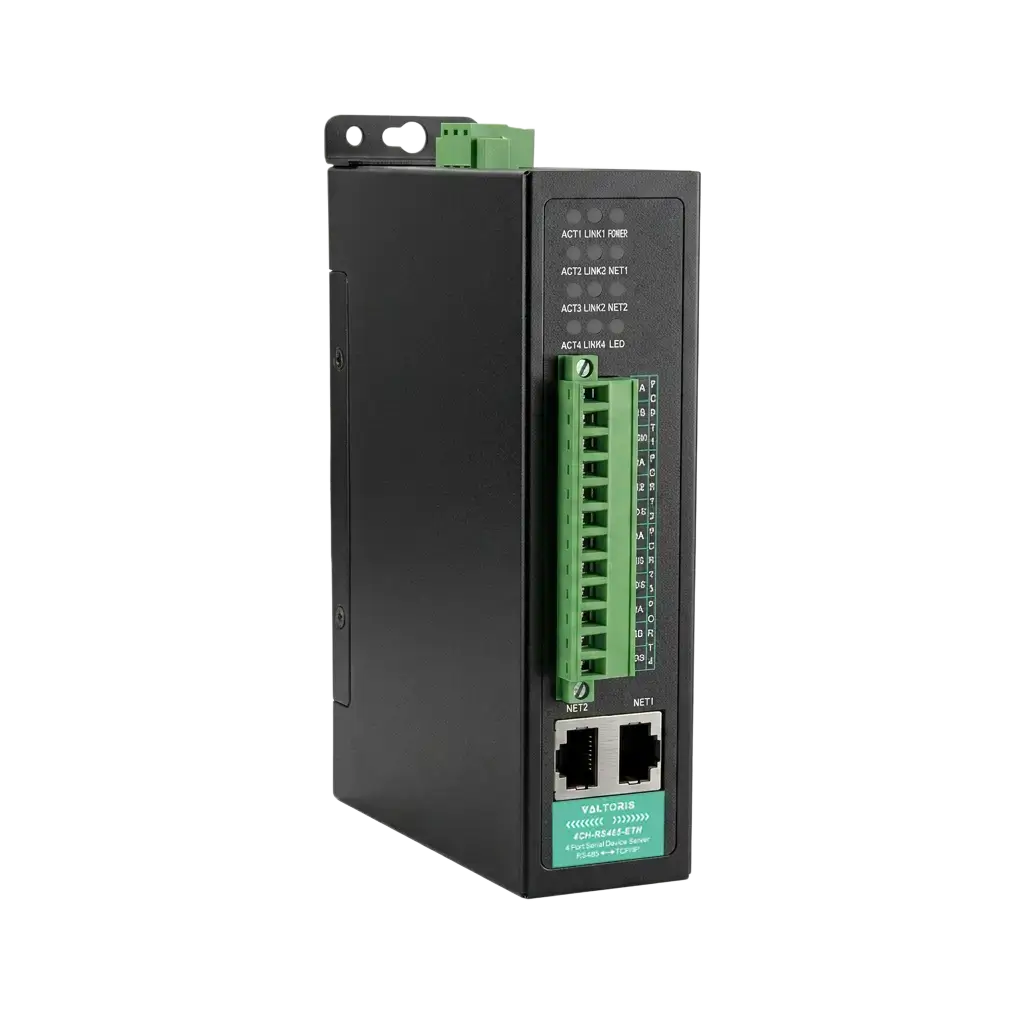
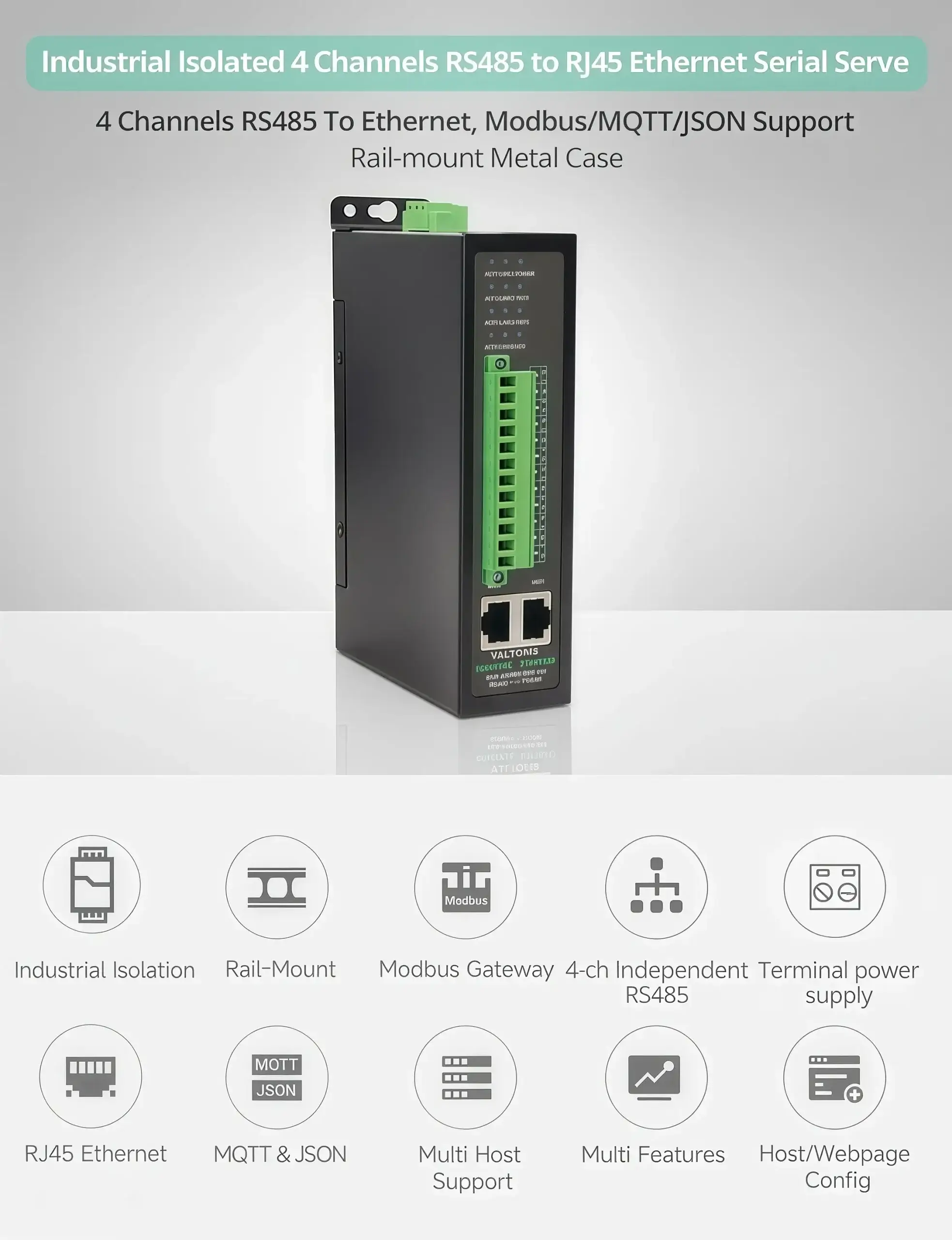
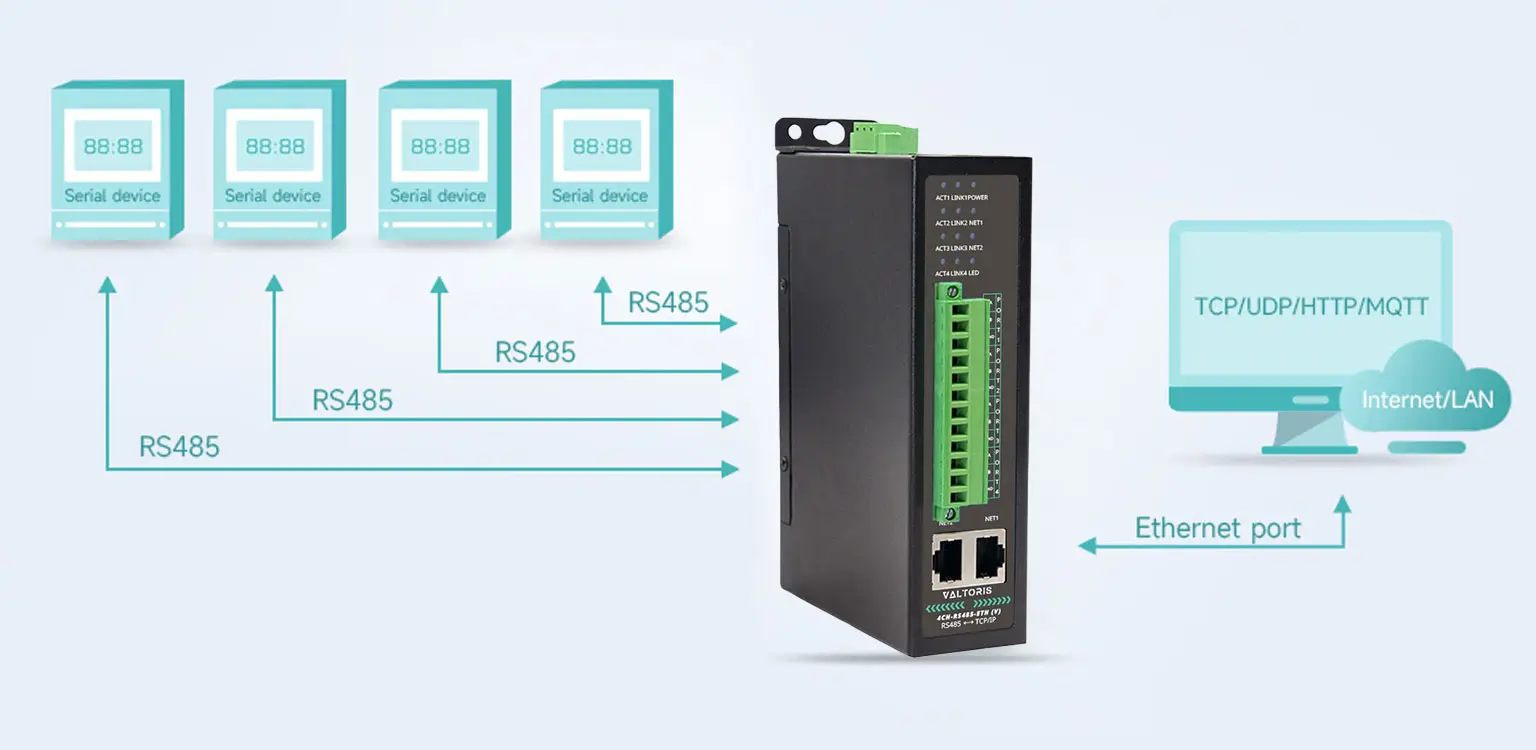
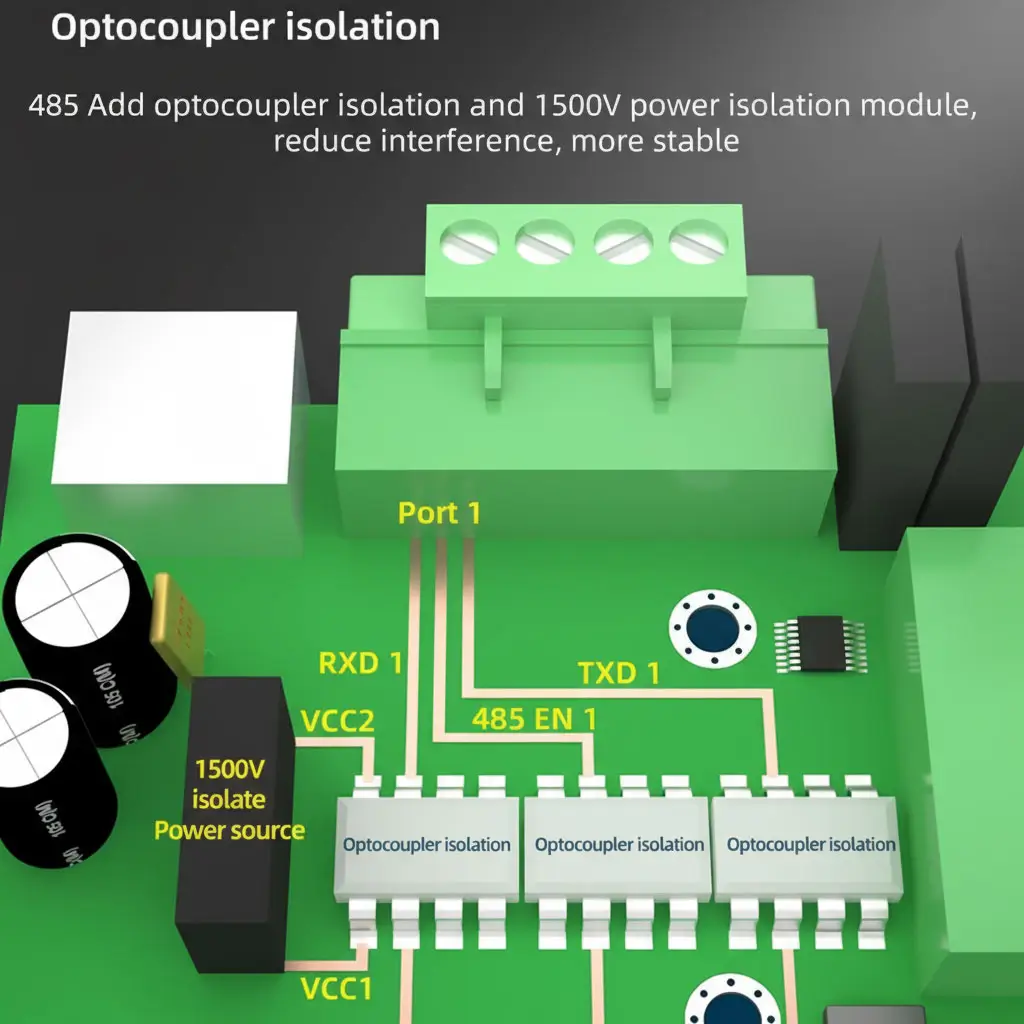
bi-directional transparent data transmission between RS485 and Ethernet

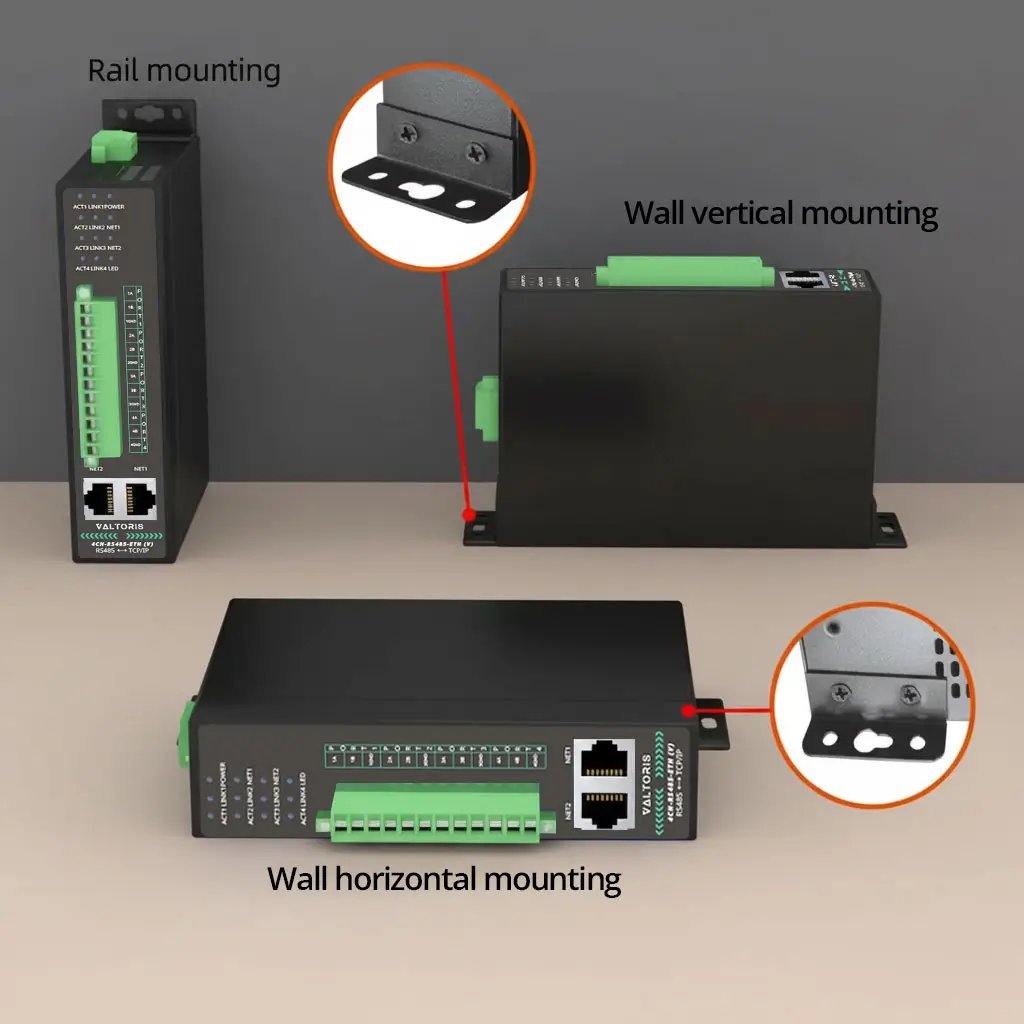
Installation Method
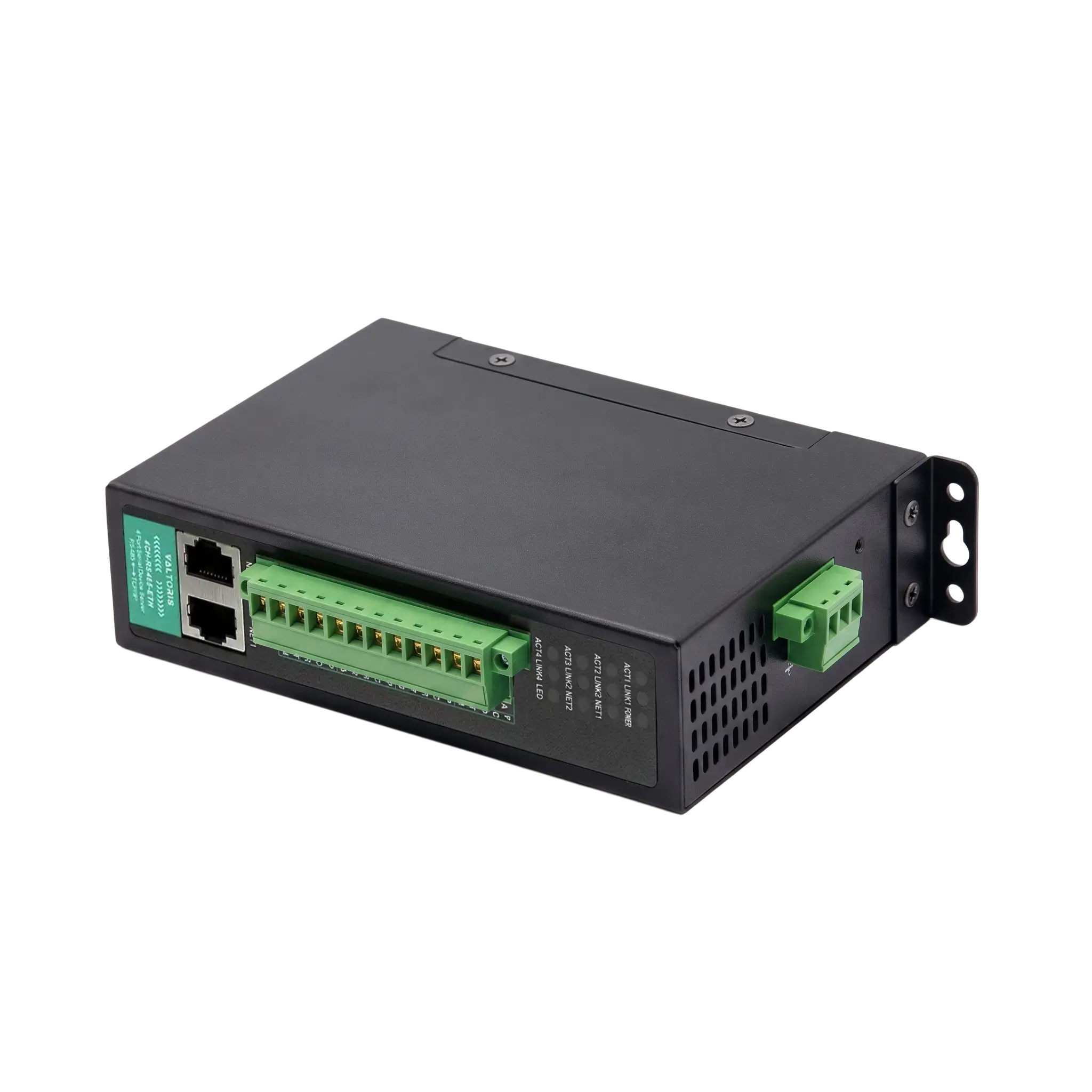
Support Rail-Mount and Wall-Mount, compact size, cost-effective
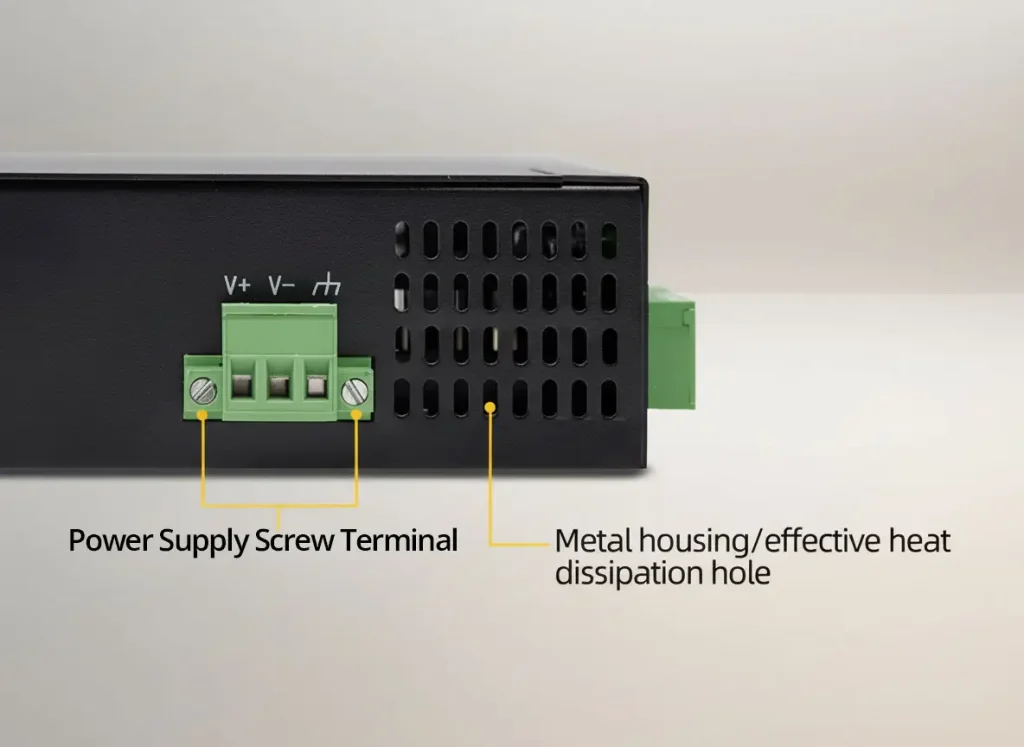
Power Supply
4CH-RS485-ETH (V) support DC 9~24V wide voltage range input
4CH-RS485-ETH (VI) support DC 18~36V wide voltage range input
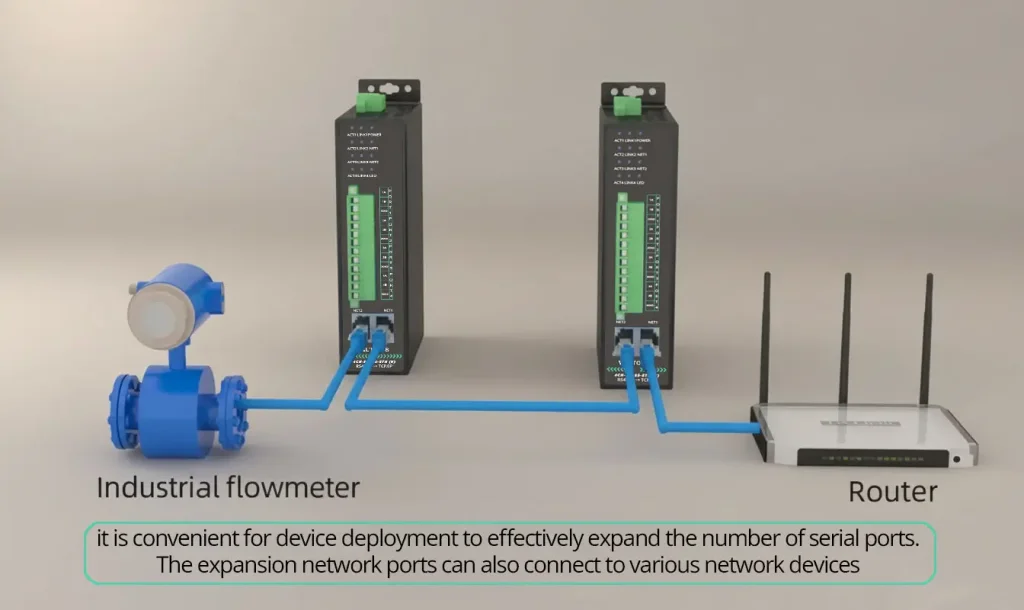
Support cascading function
supports 10/100M dual ports design, supports switch function and can be cascaded
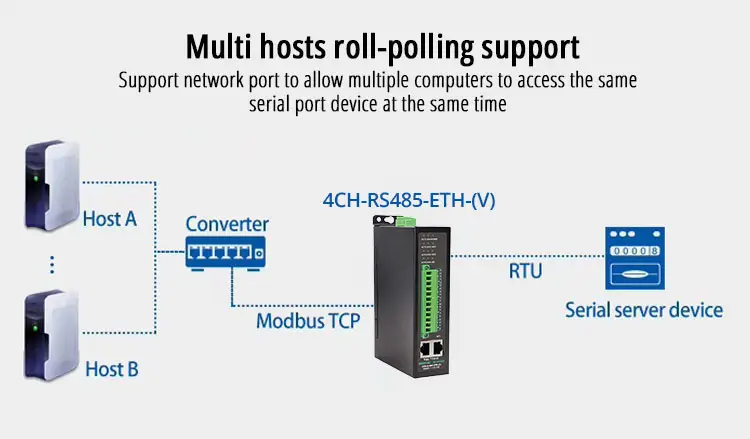
Modbus gateway support
Suitable for Modbus networking upgrade

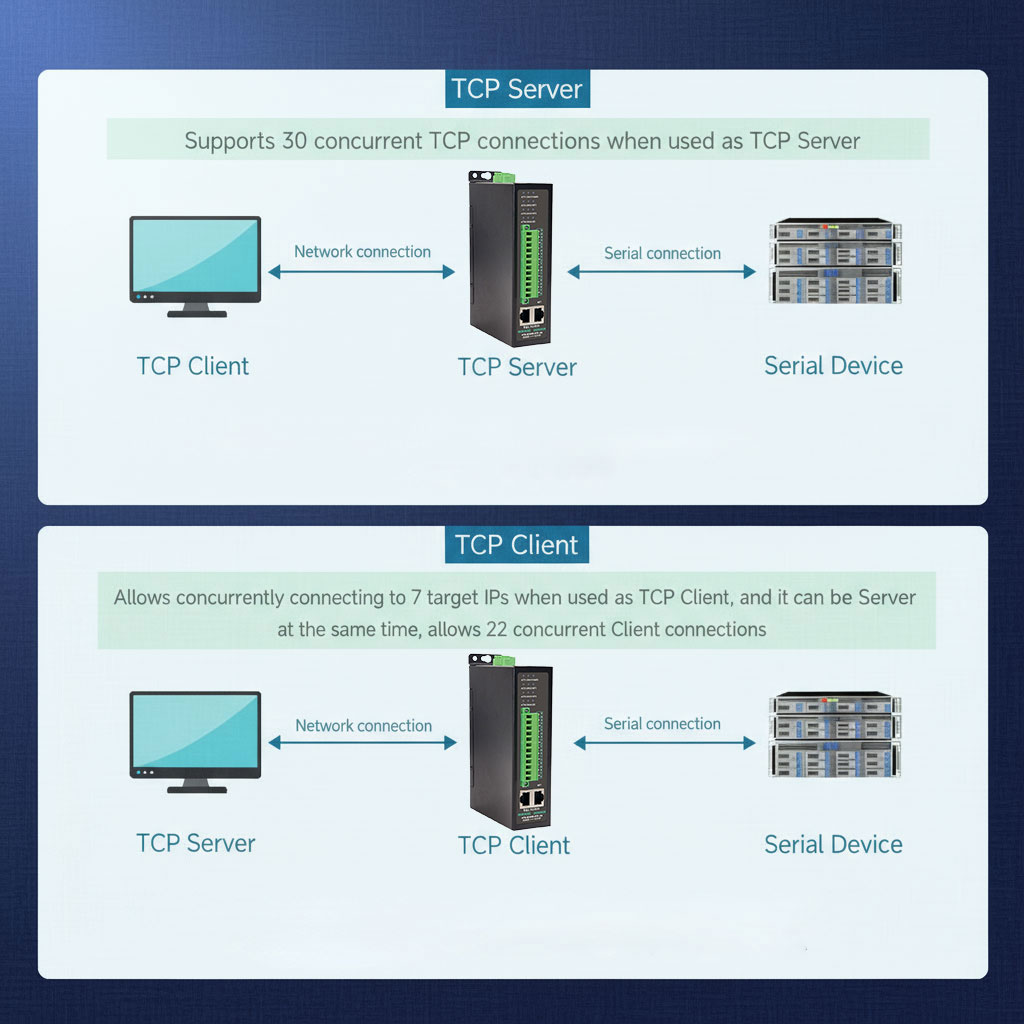
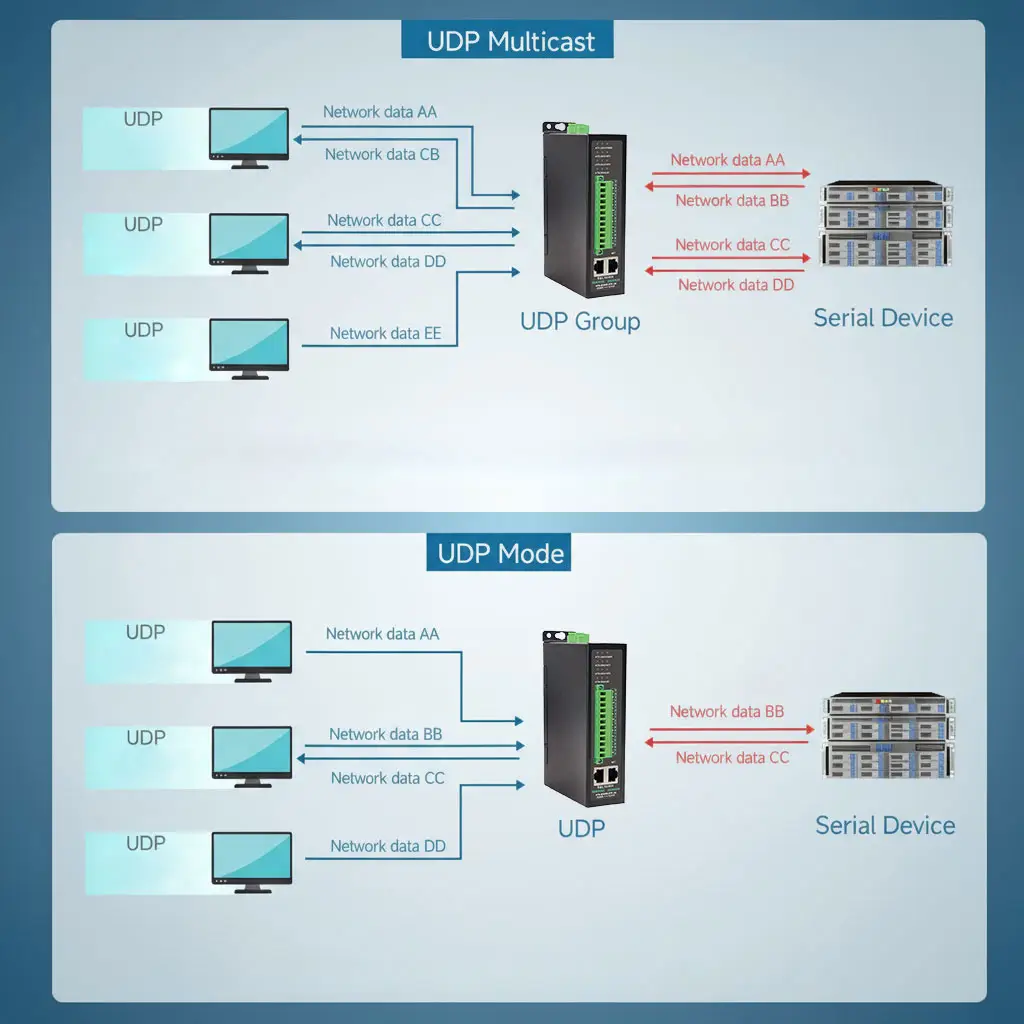
Multi communication modes
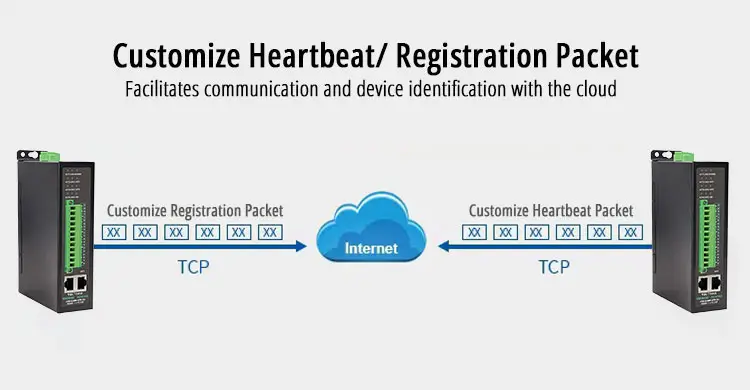
supports TCP server / TCP client / UDP multicast / UDP mode, 4 channels, each channel supports in below functions are separately


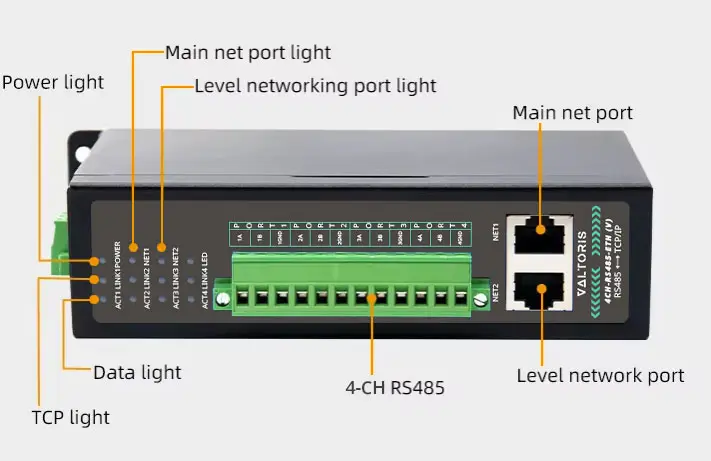
Interface Diagram
Outline dimensions
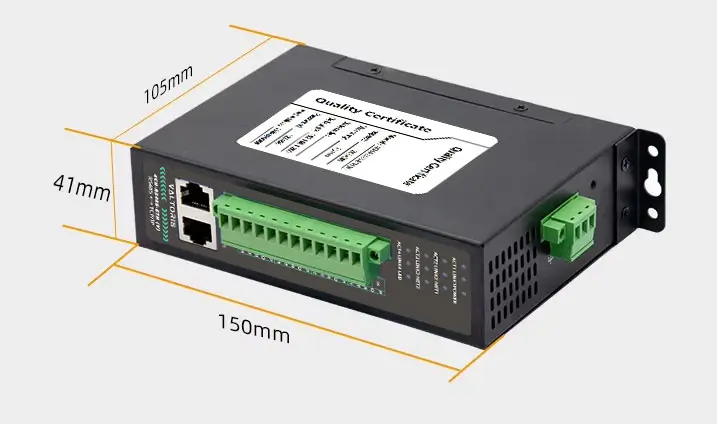
Selection guide
| Model | Serial Port Type | Power Supply | Voltage Range | Dimensions (L × W × H) |
 1CH-RS485-ETH | Single serial port server | Screw terminal | DC 9~24V | 89*37*59mm |
 1CH-RS232/485/422-ETH (V) | RS232/485/422 choose one, single serial port server | Screw terminal + DC 5.5 power port | DC 9~24V | 94*65*25mm |
 1CH-RS232/485/422-ETH | RS232/485/422 choose one, single serial port server | Screw terminal + DC 5.5 power port | DC 9~24V | 94*65*25mm |
 2CH-RS485-ETH | Dual serial ports server | Screw terminal | DC 9~24V | 37*83*89mm |
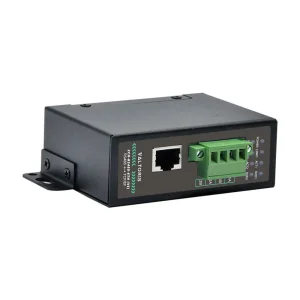 2CH-RS485-ETH(V) | Dual serial ports server | Screw terminal | DC 9~24V | 150*105*41mm |
 2CH-RS232/485/422-ETH | RS232/485/422 choose one, Dual serial ports server | Screw terminal + DC 5.5 power port | DC 9~24V | 94*65*25mm |
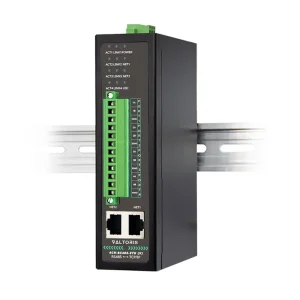 4CH-RS485-ETH (V) | 4 serial ports server | Screw terminal | DC 9~24V | 150*105*41mm |
 4CH-RS485-ETH | 4 serial ports server | Screw terminal | DC 9~24V | 37*83*89mm |
 4CH-RS232/485/422-ETH | RS232/485/422 choose one, 4 serial ports server | Screw terminal + DC 5.5 power port | DC 9~24V | 92*197*25mm |
 8CH-RS485-ETH (V) | 8 serial ports server | Screw terminal | DC 9~24V | 270*105*26mm |
 8CH-RS485-ETH | 8 serial ports server | Screw terminal | DC 9~24V | 37*83*89mm |
 8CH-RS232/485-ETH | 8 serial ports server | Screw terminal + DC 5.5 power port | DC 9~24V | 270*105*26mm |
 16CH-RS232/485/422-ETH | 16 serial ports server | AC 220V power port | AC 220V | 480*180*44mm |
 32CH-RS232/485/422-ETH | 32 serial ports server | AC 220V power port | AC 220V | 480*180*44mm |