
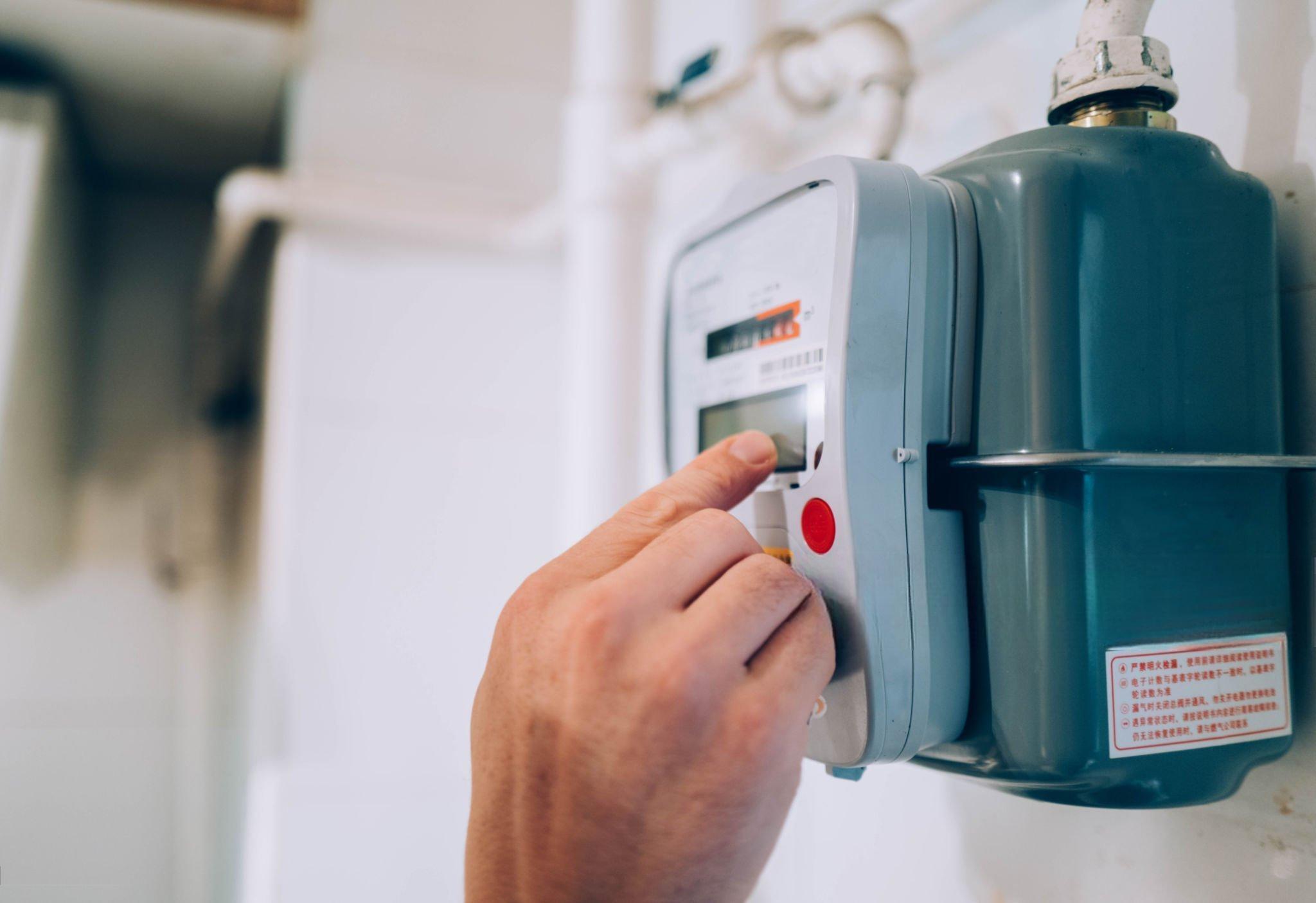
Why Remote Electric Meter Monitoring Matters
The global smart electric meter market was valued at $20–25 billion in 2024 and is projected to grow at a CAGR of 8–10% through 2030 . A key driver is the need for real‑time energy data in commercial buildings, factories, and utility networks—data that traditionally required manual meter reading or dedicated wiring.
According to industry data, manual meter reading can cost $10–30 per meter per month in labor and travel . For a building with 50 electric meters, that’s $6,000–18,000 per year—just for reading values that could be collected automatically.
KELE electric meters are widely used in building automation and energy management systems. They typically communicate over RS485 using Modbus RTU . The challenge is getting that data from the meter cabinet to the cloud or building management system without pulling new cable.
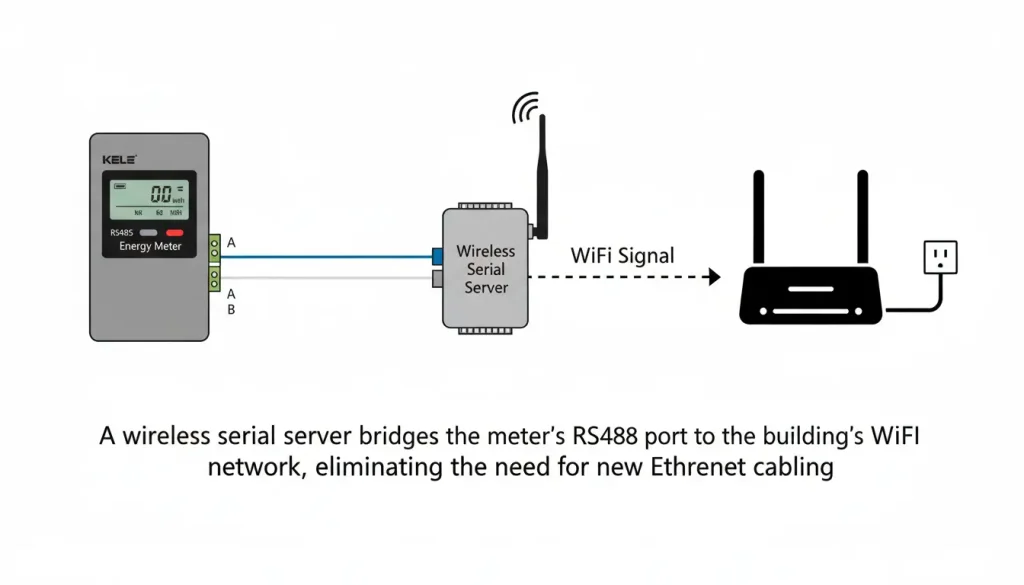
This is where a wireless serial server (also called a serial‑to‑WiFi/Ethernet converter) comes in. It connects to the meter’s RS485 port, converts the Modbus RTU data to TCP/IP, and transmits it over WiFi or Ethernet to a central server—eliminating manual readings and reducing installation costs by 60–80% compared to running new cable .

Figure 1: Web-based Remote Monitoring of KELE Electric Meters
The Problem: Getting Data Out of the Meter Cabinet
A KELE electric meter is usually put in a closet for electrical things or a room, for utilities. This meter has a port called RS485 that sends out information in a format called Modbus RTU. In old buildings you often do not find any network cables close by. If you want to add an Ethernet cable it can be a lot of work and mean:
- Drilling through fire‑rated walls
- Pulling cable through crowded conduits
- Coordinating with building management
- Costing $150–300 per drop in commercial buildings
You can also use a serial server. This device can be put next to the meter. It can be connected to the meter, with a short RS485 cable. Then it can be connected to the buildings WiFi network. This way you do not need to do any wiring or construction. You can just use the serial server to get the job done. The wireless serial server is an option because it is easy to set up and it works with the buildings existing WiFi network.
Step‑by‑Step Implementation
Hardware Connection: Connect the KELE electric meter to the RS485 interface of the Valtoris wireless serial server using an RS485 serial cable. This serial device server supports multiple interface types, including RS232/RS485/RS422 to WiFi/Ethernet conversion, ensuring compatibility with various meter configurations.

Figure 2: KELE Electric Meter Hand-in-Hand with Wireless Serial Module
Cloud Integration and Monitoring
After we collect data and send it through the serial device server we can look at the parameters, in the server log records. The serial network gateway works with web servers and cloud platforms so we have a lot of options for looking at the data. This industrial Ethernet serial server solution makes sure everything works together smoothly. It also works with special setups that are made just for certain needs.

Figure 3: Wireless Serial Module Parameter Configuration

Figure 4: Wireless Serial Module JSON Configuration
Solution Benefits
The Valtoris wireless serial server offers numerous advantages for electric meter monitoring:
Real-time Data Access: Continuous monitoring through reliable serial to Ethernet communication
Remote Configuration: Easy setup and management via web interface
Industrial Reliability: Robust industrial serial server design for demanding environments
Cost-effective Monitoring: Reduce manual reading costs with automated data collection
Scalable Architecture: Support for multiple devices and protocols including Modbus TCP

Figure 5: Web Server Log Records
This is a way to get wireless serial communication. We have the technology for this and it is available at good prices from our factory. We are one of the suppliers of wireless serial servers in China. We can help you with all your needs, for monitoring and we can even make it the way you want it. Our wireless serial communication is really good. We can give you all the support you need.

Figure 6: Cloud Data Display
Real‑World Results: A Commercial Building Deployment
A 15‑story office building with 48 KELE electric meters was spending $15,000 per year on manual meter reads (a technician walking the building weekly). Installation of wireless serial servers on each meter took two days and cost $6,800 (hardware + labor).
Results after 12 months:
| Metric | Before | After |
|---|---|---|
| Annual reading cost | $15,000 | $0 (automated) |
| Data resolution | Weekly (manual) | Real‑time (every 15 minutes) |
| Billing errors | 2–3 per year | 0 |
| Energy waste detection | None | Identified 12% HVAC waste |
The system paid for itself in 6 months and continues to provide real‑time energy data for demand management and tenant billing.
What to Look for in a Wireless Serial Server for Metering
| Feature | Why It Matters |
|---|---|
| RS485 with Modbus RTU | Direct connection to KELE and other Modbus meters |
| WiFi (STA mode) | Uses existing building WiFi, no new cabling |
| Wide power input (9–24V DC) | Works with panel 24V; no extra power supply |
| Industrial temperature (–40°C to 85°C) | Suitable for electrical rooms, outdoor cabinets |
| DIN rail mount | Fits in meter cabinets |
| Modbus to JSON conversion | Direct cloud integration without extra gateways |
| MQTT support | Efficient, secure cloud communication |
| Static IP | Reliable addressing for SCADA |
Common Questions
Q: Does this work with any KELE meter?
Most KELE meters with RS485 and Modbus RTU are compatible. Check the meter manual for register addresses and communication settings.
Q: What if the building has no WiFi?
The server can also operate in AP mode, creating its own WiFi network for point‑to‑point connection. For permanent installations, adding a low‑cost WiFi access point is another option.
Q: Can I use Ethernet instead of WiFi?
Yes. Many wireless serial servers also have an Ethernet port. If the meter cabinet is near an existing network drop, you can use a wired connection instead.
Q: How much data does this use?
Reporting every 15 minutes consumes roughly 100–200 MB per month per meter—well within typical data plans if using cellular backup.