Distributed I/O vs Remote I/O: Which One Actually Saves You Money?
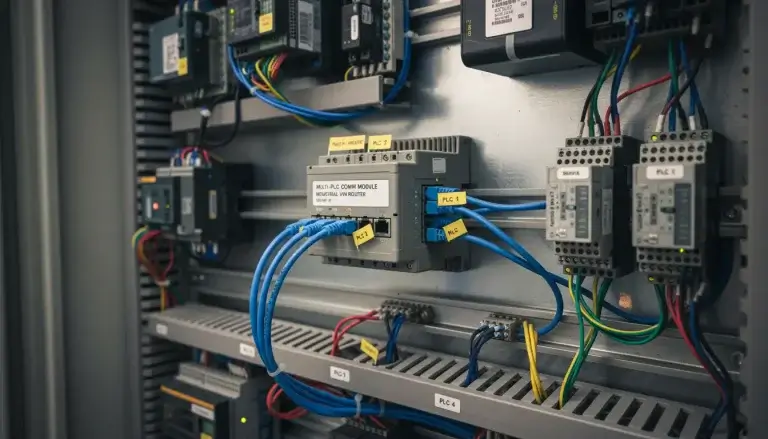
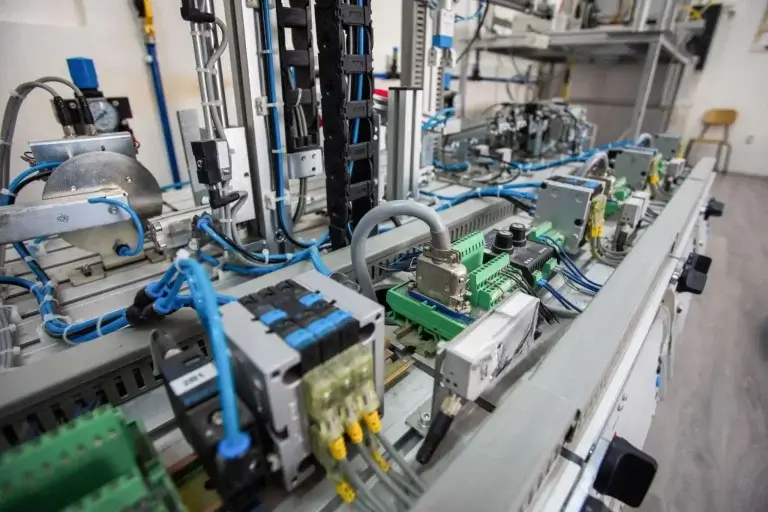
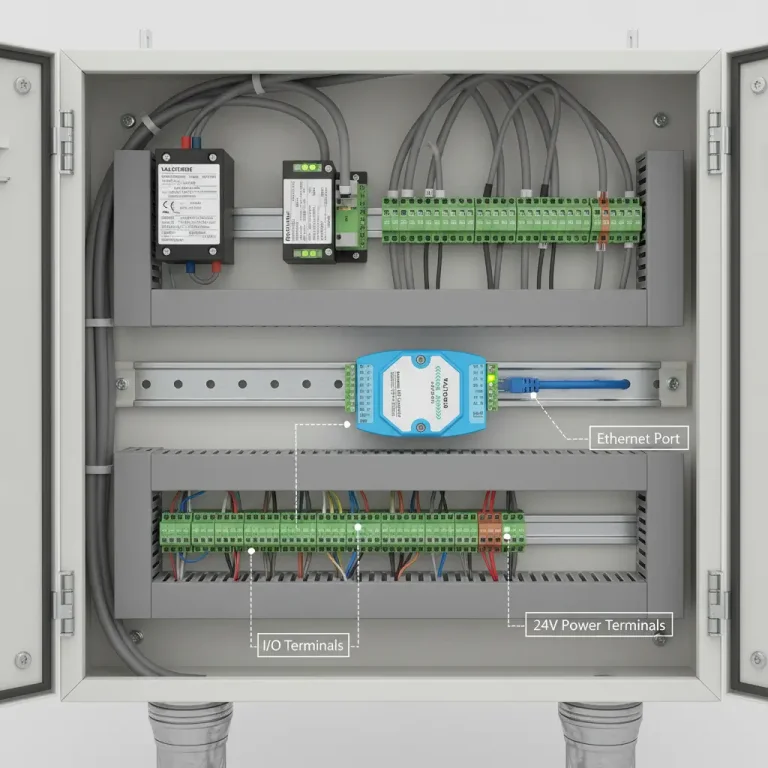
It’s a familiar scenario on any factory floor: your main PLC is sitting safely in the control room, but your sensors and actuators are scattered everywhere—across the plant floor, stretching down a long pipeline, or wrapping around a massive tank farm. At the end of the day, you need to get those signals back to…
Ethernet I/O: 5 Questions Every Automation Engineer Asks
If you are working with automation you have probably needed to get signals from sensors and actuators back to a controller. Working with PLC I/O can be a solution but it usually means you have to pull a lot of individual wires all across the facility. This is very expensive. It is not flexible at…
Serial to WiFi: When You Can’t Run Cable
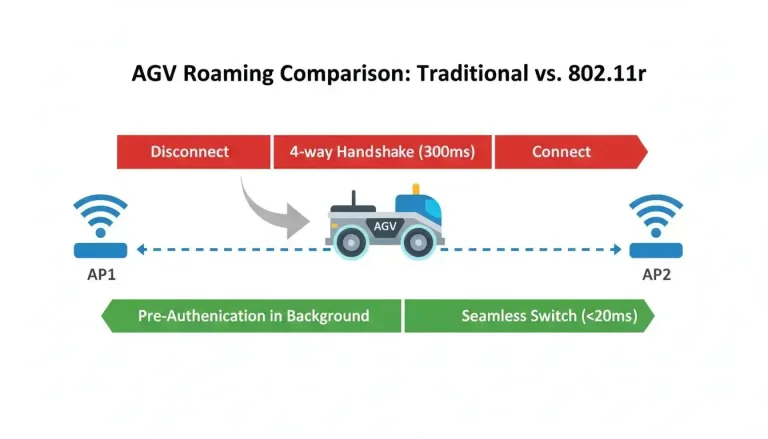
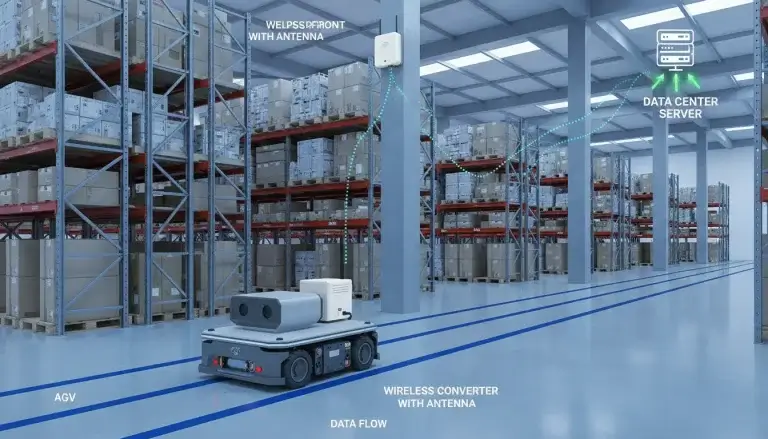
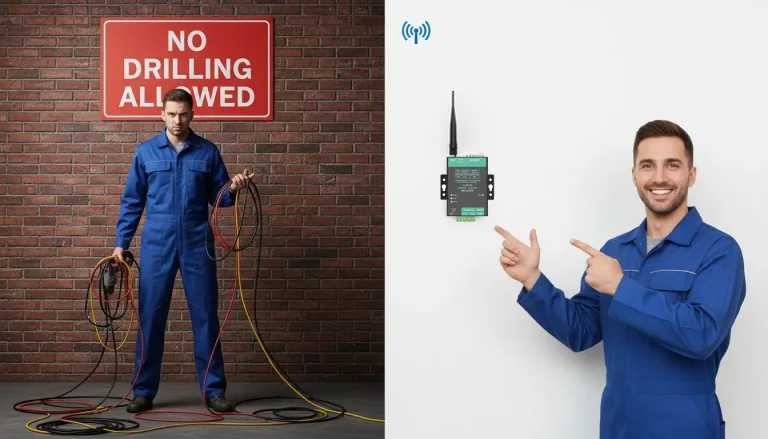
The Reality: 30% of Industrial Retrofits Face a Cable Problem According to Astute Analytica , the global serial device server market was valued at $323 million in 2024 and is projected to reach $476 million by 2033, growing at 4.75% annually . Industry data shows that over 65% of industrial equipment still relies on RS232 or RS485 , and in retrofit projects, up…
LoRa Smart Lighting Control: Long‑Range Wireless Solution for Community Street Lights
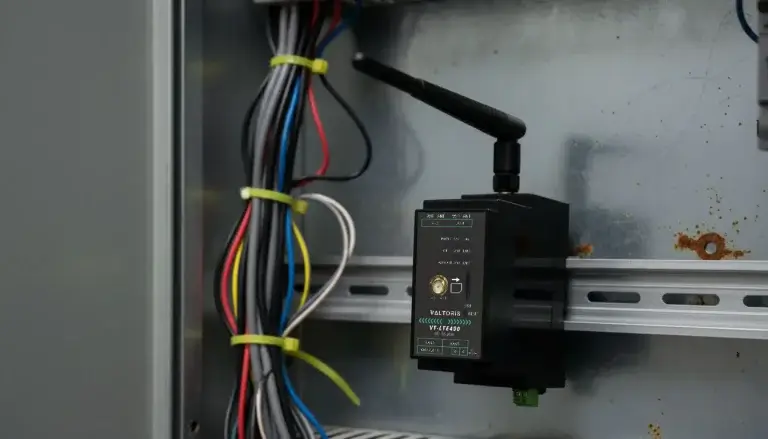
The Market Shift: Why Cities Are Moving to Wireless Street Lighting Street lighting accounts for 40–50% of municipal energy costs in many cities . According to industry data, the global smart street lighting market was valued at $8–10 billion in 2024 and is projected to grow at a CAGR of 20–25% through 2030 . he main things that make…
Serial to Fiber Converters: How Different Industries Use Them
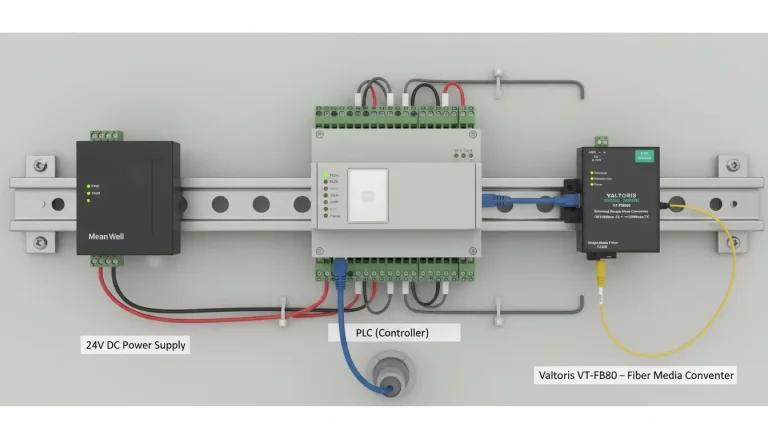
A military outpost needs radar data from a hilltop 3 kilometers away. Radio jammers are active. Copper cable is impossible. Fiber is the only option—but the radar speaks RS232. A factory floor has five VFDs running conveyors. Every time a motor starts, RS485 data from nearby temperature sensors turns to garbage. The control room is…
RS485 Repeater Troubleshooting: 10 Field Questions Answered
RS485 is the backbone of industrial automation, but when communication drops, troubleshooting can be a nightmare. While it often runs for years without trouble, random timeouts, node dropouts, or corrupted data frames can bring a production line to an expensive halt. When an RS485 network fails, it’s usually due to one of a few common…
PROFINET (27%), EtherNet/IP (23%), Modbus TCP (4%): How to Choose for Remote IO Module
When you are adding I/O to an industrial control system you will have to choose between three protocols: EtherNet/IP, PROFINET and Modbus TCP. People usually think it is easy: if you have a Siemens PLC you should use PROFINET. If you have a Rockwell PLC you should use EtherNet/IP. For everything you should use Modbus…
Industrial vs. Consumer Fiber Optic Modems: What’s the Real Difference?
You search for “best fiber optic modem” and you get list after list of home gear. Wi-Fi speeds. Mesh coverage. Which router works best with Verizon Fios. If you’re putting a fiber link in a factory, a substation, or a remote monitoring site, those lists are useless. This guide is for industrial users. Here’s what…
Media Converters in 2026: Four Technologies That Change Everything
Media converters used to be simple: copper in, fiber out. You bought them when you needed to go past 100 meters or when electrical noise made copper unreliable. That was then. In 2026, media converters are doing things that would have seemed impossible five years ago. They’re carrying 25Gbps over copper, powering 90W devices over…