DIN Rail 4G Cellular Modem for RS485 to LTE CAT1

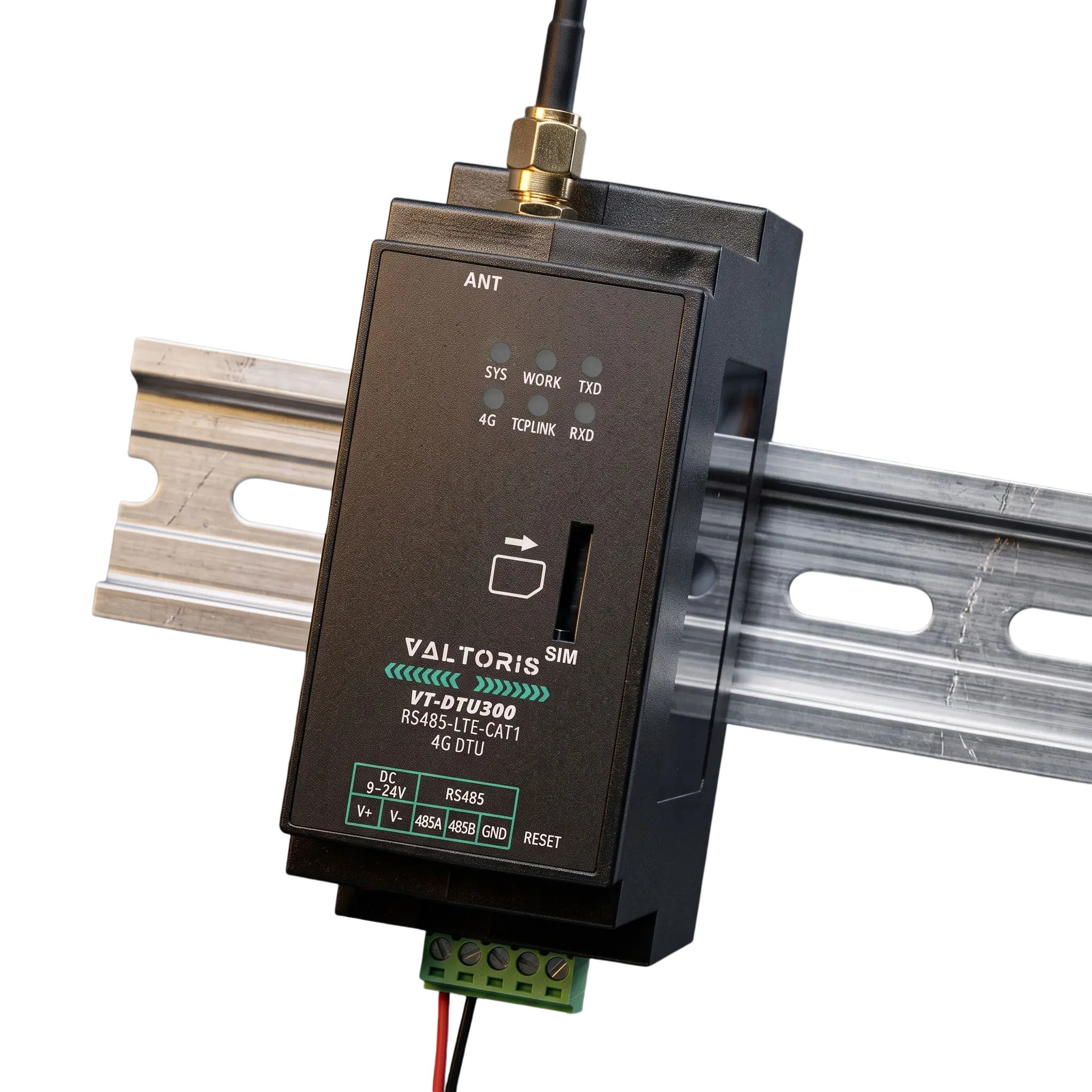
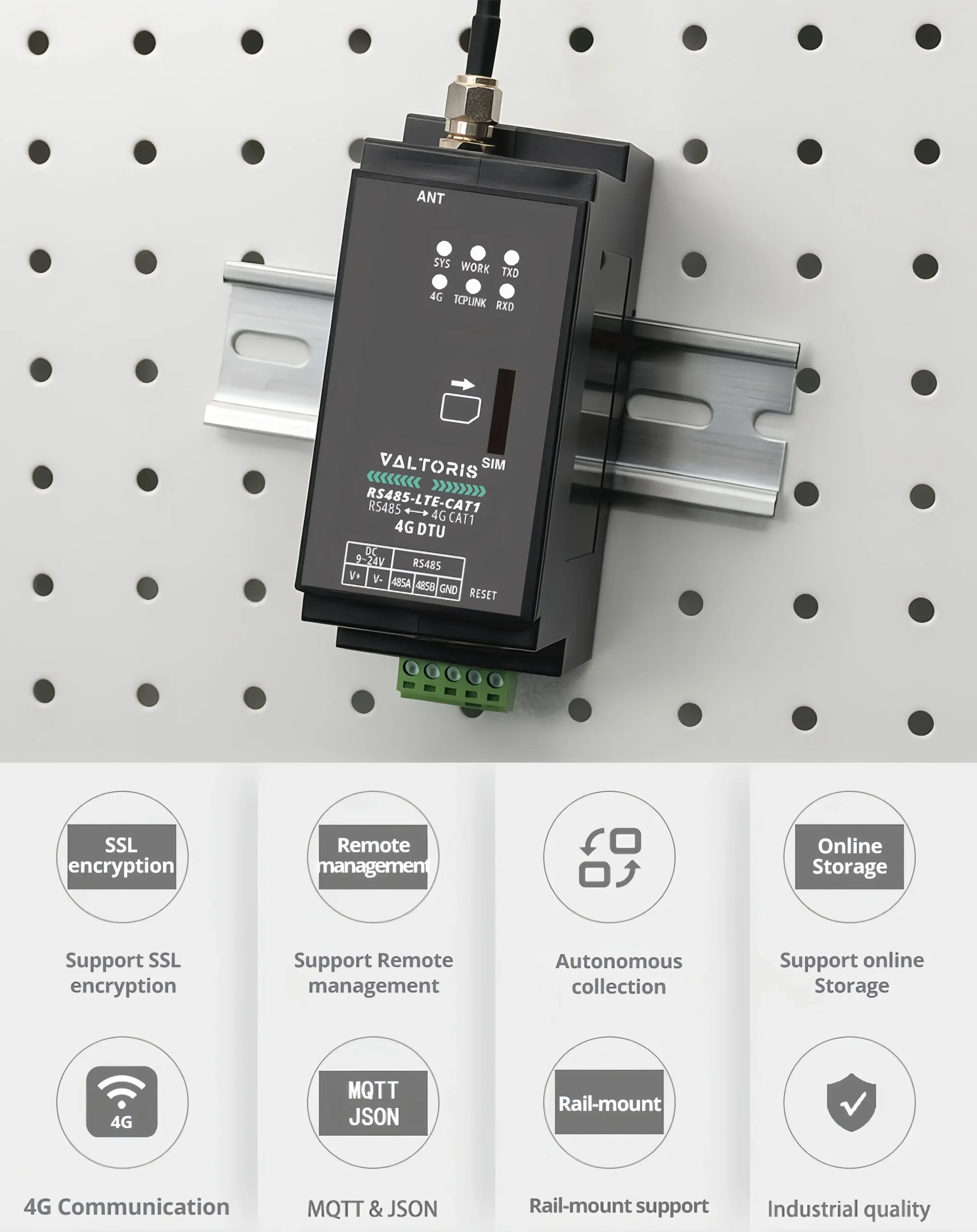
The VT-DTU300 is an industrial DIN-rail 4G LTE Cat.1 DTU engineered to transparently bridge legacy RS485 serial loops to TCP/IP networks. Featuring native Modbus RTU-to-JSON parsing, 256KB offline data caching, and secure MQTT integration, it delivers highly reliable, zero-data-loss telemetry for remote SCADA automation.

Part No. VT-DTU300
sku : IoT-4GD100
INSTANT QUOTE

Valtoris VT-DTU300 Industrial DIN-Rail 4G Cellular Modem DTU Overview

Global Band 4G/2G Backhaul

Delivers robust cellular telemetry across standard FDD-LTE, TDD-LTE, and GSM frequency bands, supporting up to 10Mbps downlink and 5Mbps uplink speeds with automated 2G GPRS fallback.

Global 4G LTE-FDD TDD and GSM Frequency Band Matrix

Industrial Grade Edge Capabilities

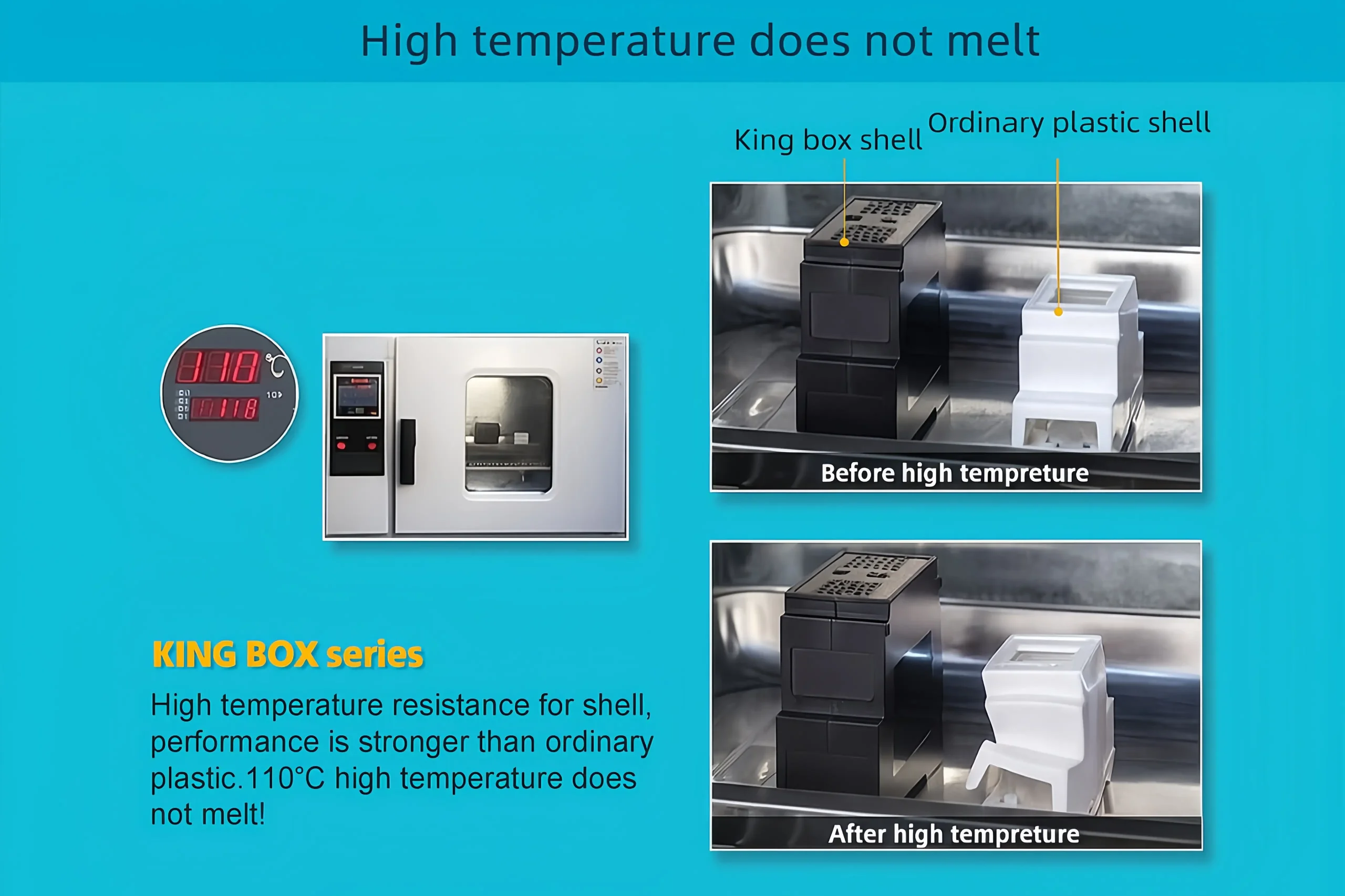
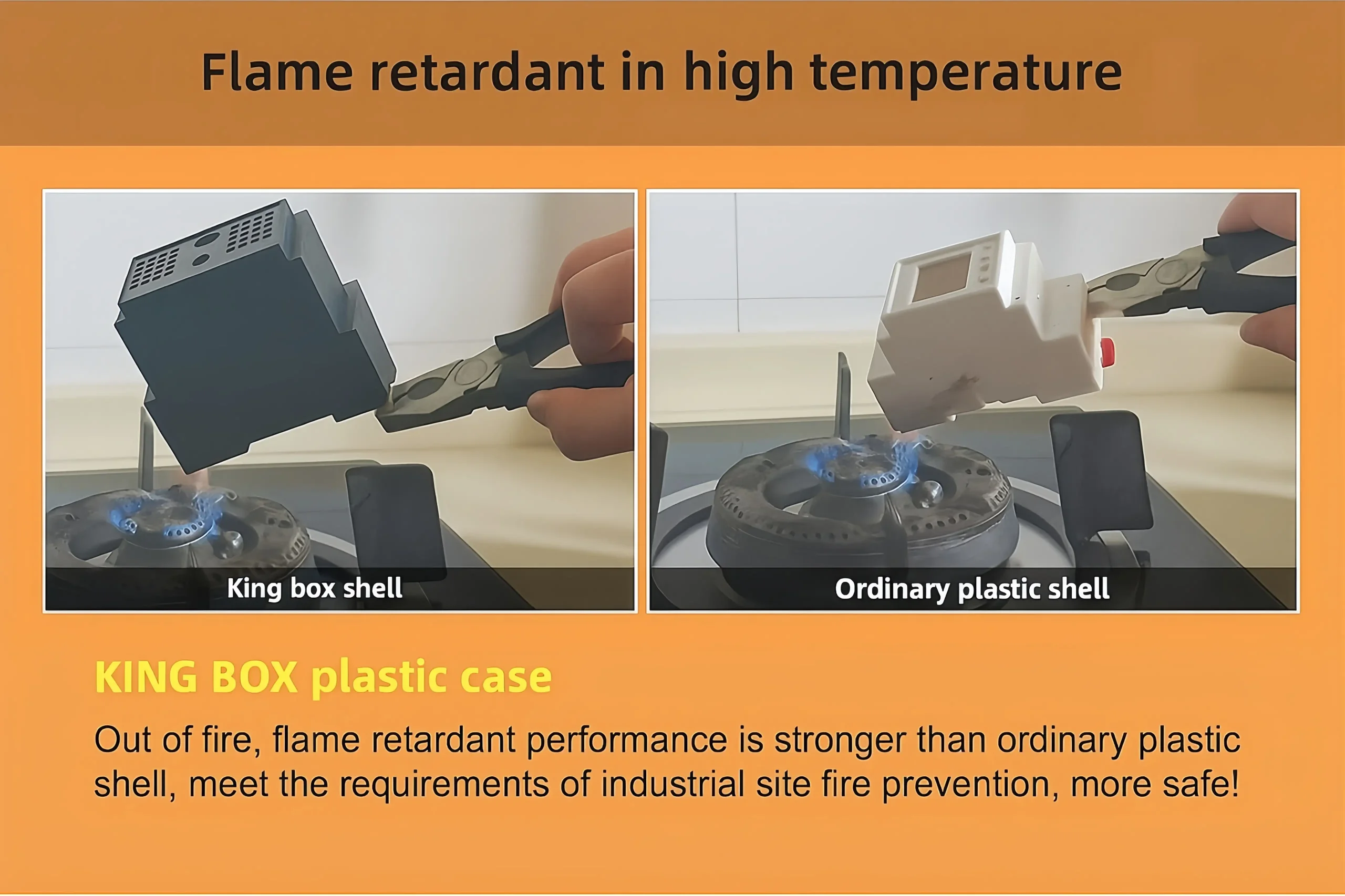
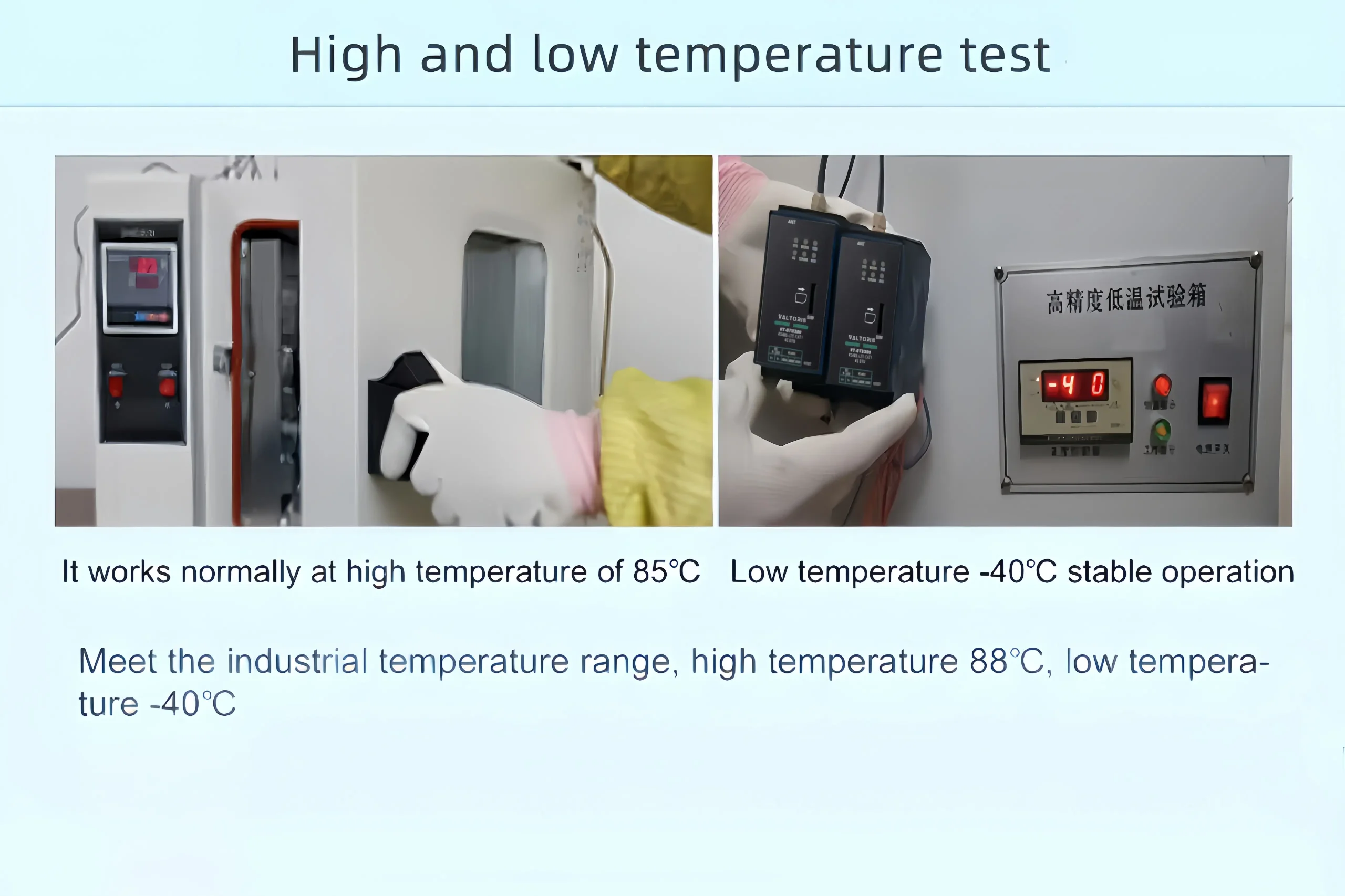
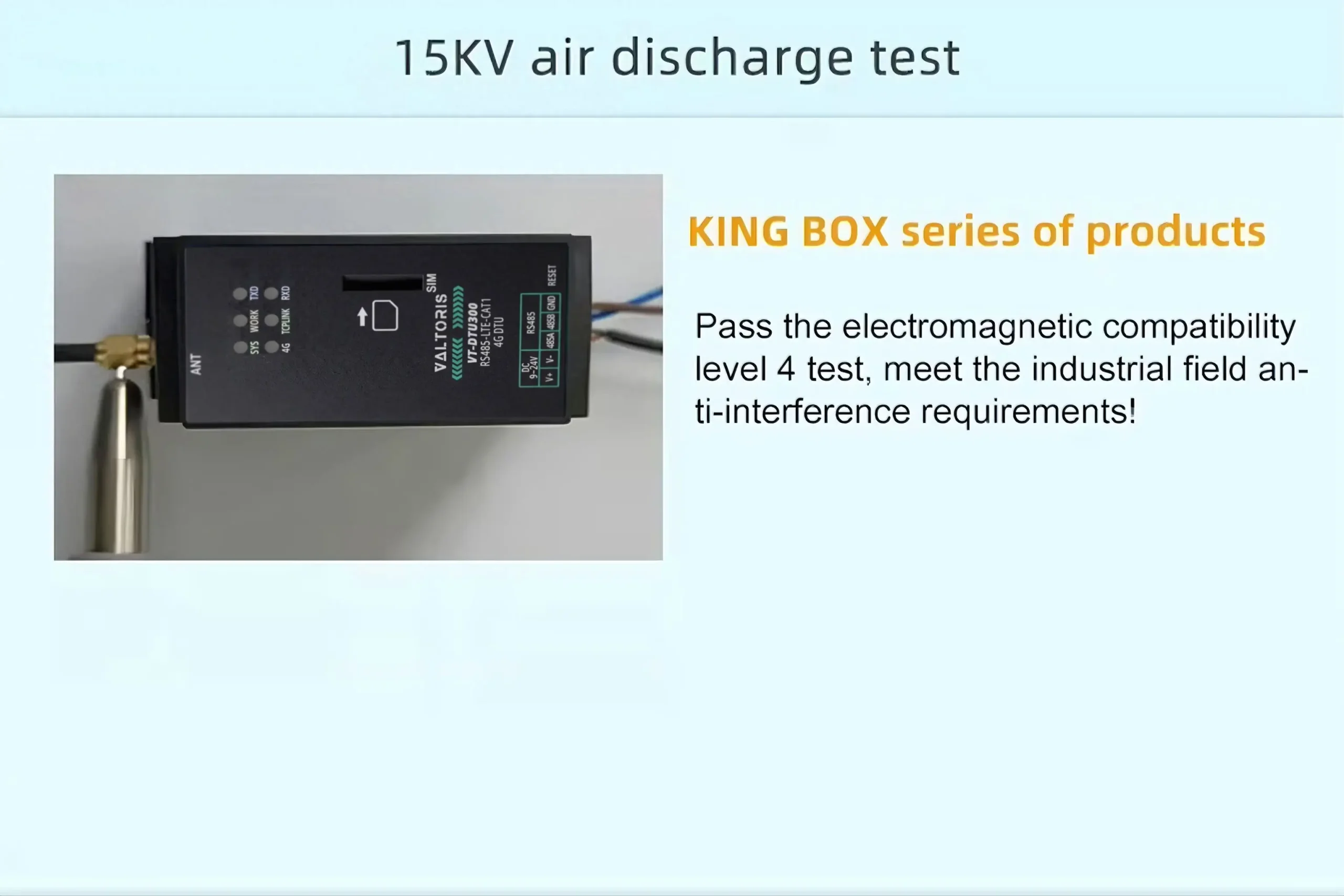
Housed in an industrial flame-retardant alloy plastic enclosure surviving harsh ambient temperatures from -40°C to +85°C, providing exceptional native electrical isolation for panel bus loops.

Industrial Grade Hardware Watchdog Stability and Flame Retardant Shell
Automated Modbus RTU to JSON Payload Formatting Engine
Direct MQTT Publish Subscribe Integration to Public Cloud Brokers
Multi-Cloud Compatibility AWS Azure AliCloud and Private SCADA
Customizable Hex ASCII Registration Packets and Heartbeat Strings
Built-In Hardware Watchdog Circuit for Zero-Touch Autonomous Recovery
Centralized VirCom Remote Device Management and Cloud FOTA Upgrades
Wide Operating Temperature Tolerance -40C to +85C
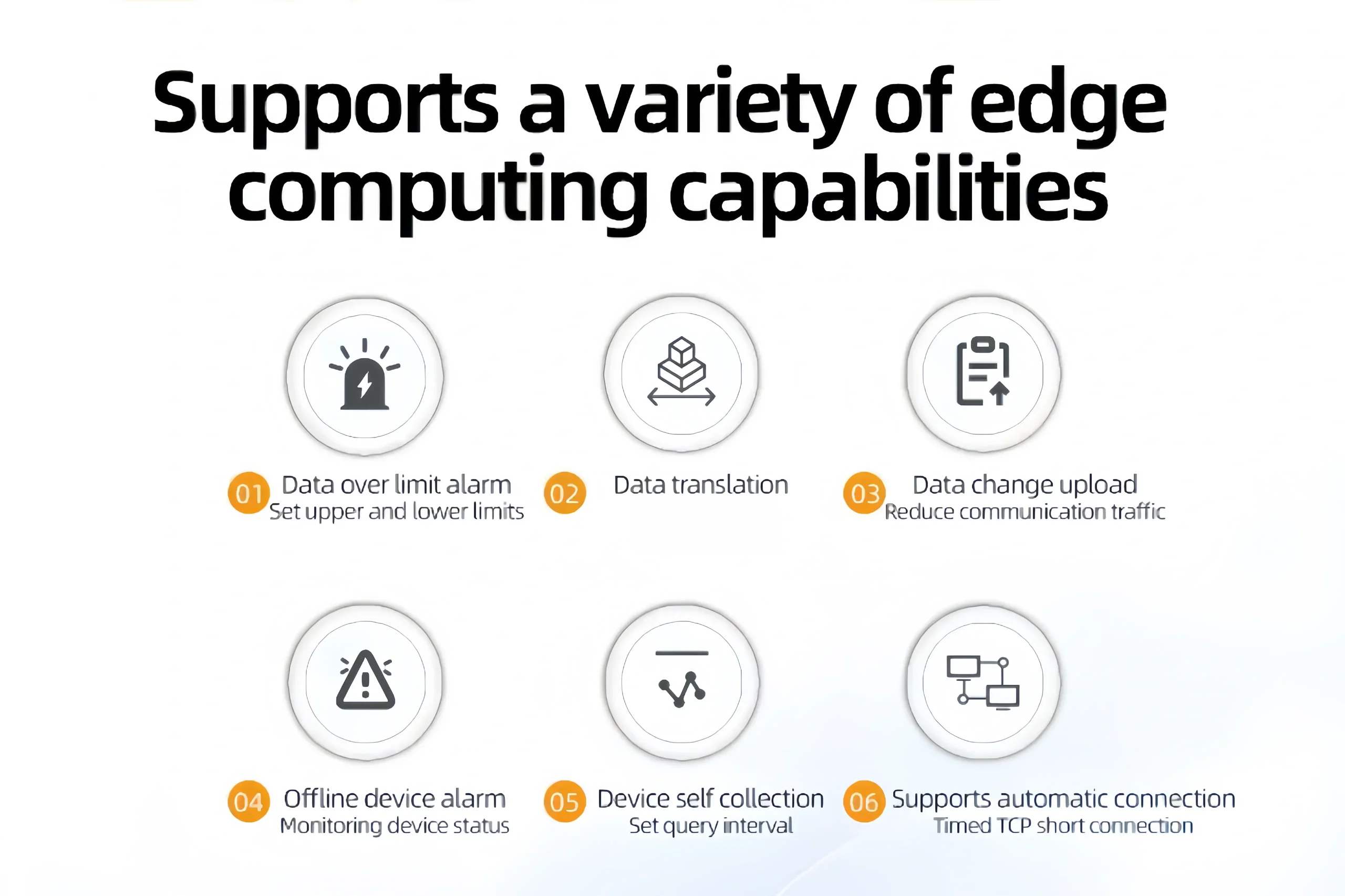
Smart Edge Computing Threshold Alarms and Panning Scaling Logic
256KB Non-Volatile Offline Historical Data Storage Buffer
Sequential Retransmission of Cached Telemetry Upon Link Recovery

Interface Definitions

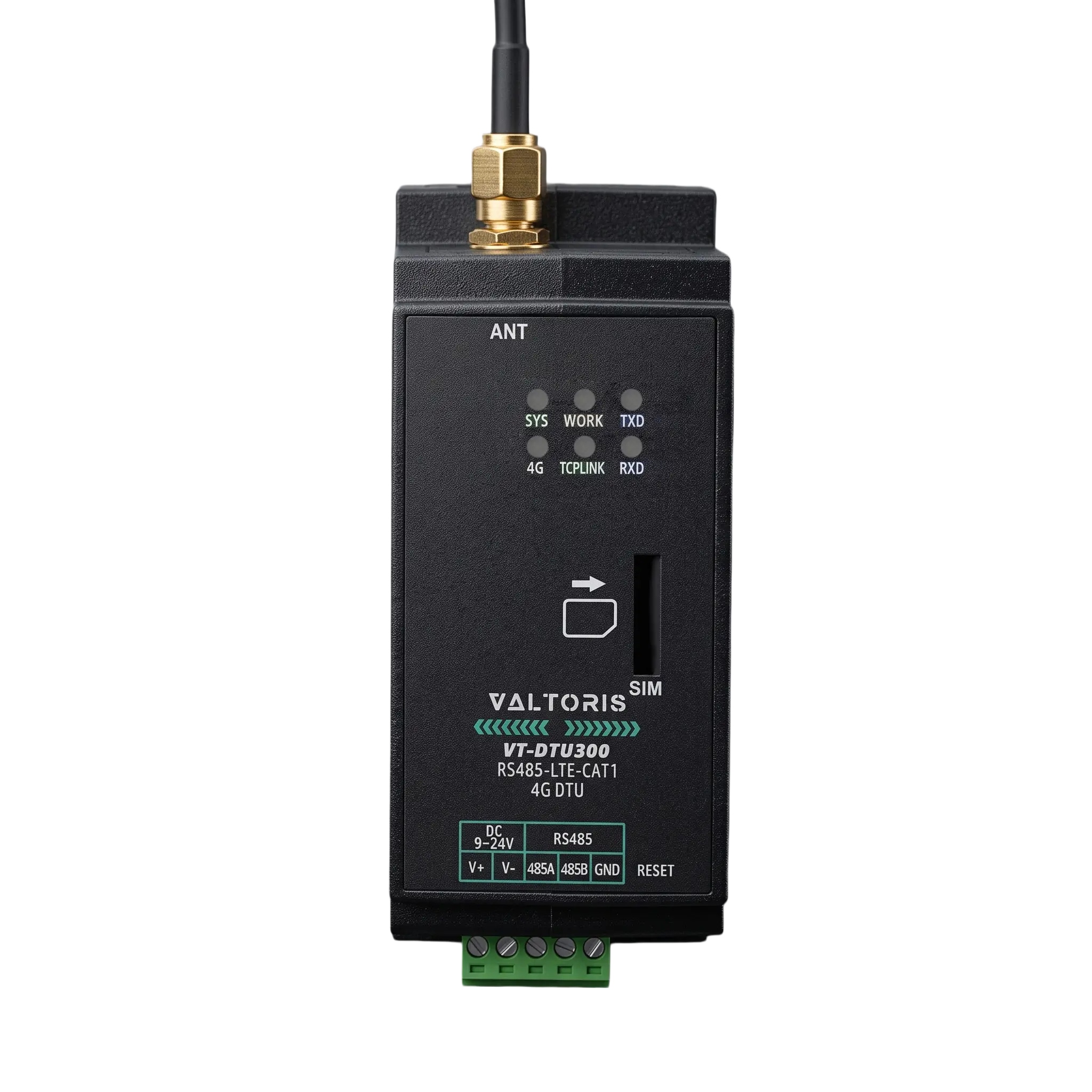
Equipped with a secure 3.5mm pitch RS485 terminal block (485A, 485B, GND) and a wide DC 9~24V power supply input supporting standard DIN-rail control cabinets.

VT-DTU300 Hardware Port Schematics and Wiring Terminal Block

Mechanical CAD Dimensions

VT-DTU300 CAD Outline Mechanical Dimensions schematic

Technical Specification | VT-DTU300
1. Hardware & Physical Interfaces
Serial Bus Interface1× RS485 (485A, 485B, GND) – 3.5mm Pitch Terminal Block
Enclosure MaterialHigh-temperature, flame-retardant alloy plastic (Industrial fireproof)
Dimensions (L×W×H)37.6 mm × 83.6 mm × 89.2 mm (Native 35mm DIN-rail mounting)
SIM Card ArchitectureMicro SIM (12×15mm) – CRITICAL: Do not insert Nano SIM
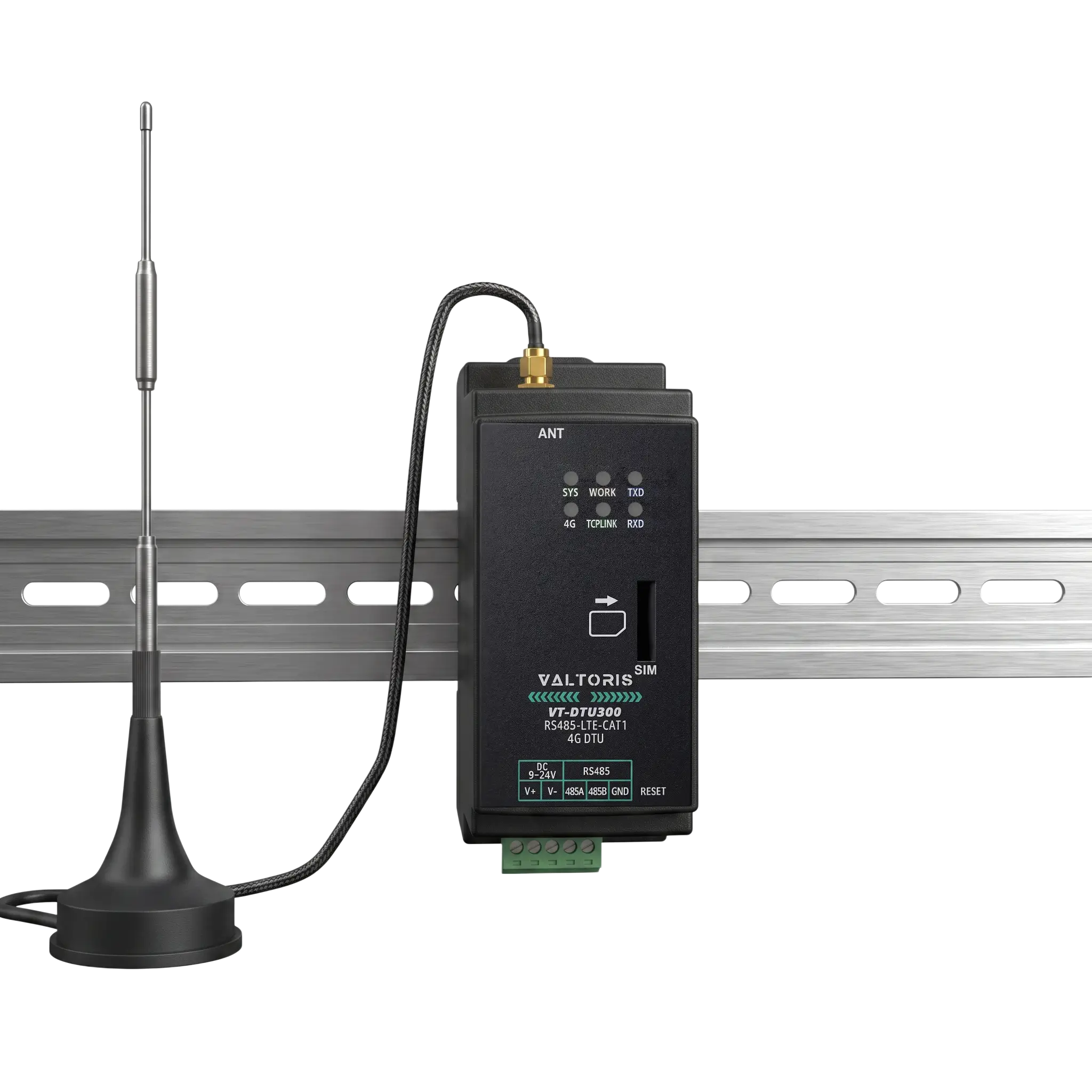
Antenna Interface50Ω SMA Female Connector (Suction cup magnetic antenna default)
Hardware ResetDedicated external push-button for one-click parameter recovery
2. Cellular Network & Speed
Supported Cellular ModesFDD-LTE / TDD-LTE / GSM (Automated 2G GPRS fallback)
4G LTE Frequency BandsFDD-LTE: B1/B3/B5/B8 | TDD-LTE: B34/B38/B39/B40/B41
2G GSM Frequency BandsGSM/GPRS: B3 / B8 (1800 / 900 MHz)
Max Data ThroughputLTE: Max 10Mbps Downlink / Max 5Mbps Uplink (GPRS: Max 85.6Kbps)
3. Serial Bus & Software Stack
Baud Rate Range300 ~ 460800 bps (Data bits: 5~8 | Parity: None, Odd, Even)
Core Protocol StackModbus RTU to JSON parsing, Modbus TCP gateway, MQTT client, HTTP
Offline Historical Buffer256KB Internal Flash Storage (Automated zero-data-loss recovery)
Device ManagementSerial AT Commands, VirCom Utility, Web GUI, Cloud OTA FOTA
4. Electrical & Environmental
Operating VoltageDC 9V ~ 24V (3.5mm Terminal Block / 3W power supply required)
Working CurrentCommunication: 50mA @ 12V | Standby idle: 25mA @ 12V
Op / Storage Temp-40°C ~ +85°C / -45°C ~ +100°C (Industrial thermal tolerance)
Operating Humidity5% ~ 95% Relative Humidity (Non-condensing)
Optimized Control Panel Footprint
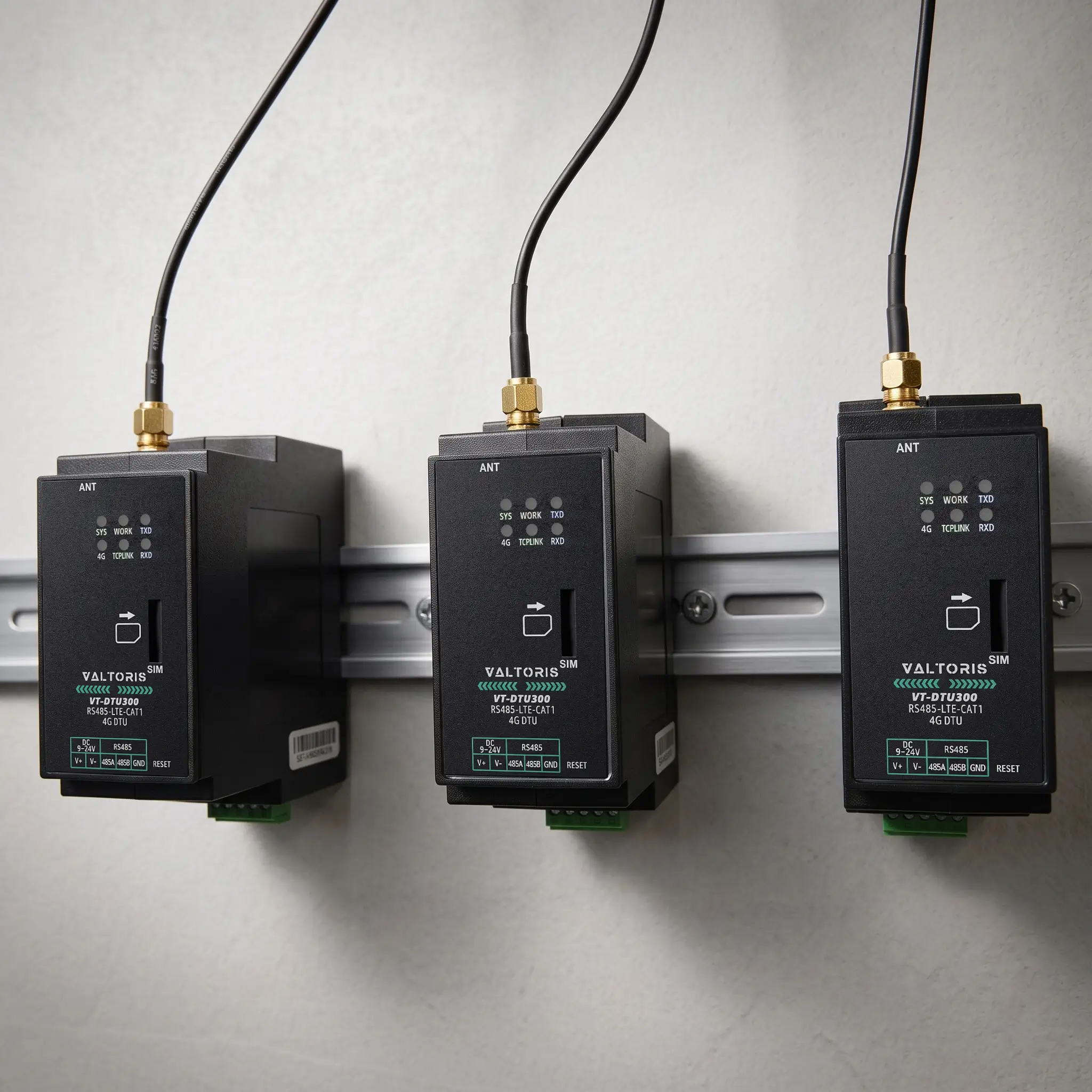
Ultra-Compact DIN-Rail Profile: Only 37.6mm width, saving approximately 75% of horizontal panel space compared to traditional wall-mounted cellular modems.
256KB Non-Volatile Historical Cache: Integrated offline memory buffers serial telemetry autonomously during base station dropouts, uploading timestamped historical frames sequentially upon restoration of cellular linkage.
Core Edge Computing Logic
Native Modbus-to-JSON Parsing: Actively queries attached RS485 slaves and encapsulates hex register data into structured HTTP/MQTT JSON payloads directly at the OT edge.
Bandwidth Reduction Algorithms: Integrates threshold limit alarms, register scaling, and “Data Change Uploads” to push telemetry strictly when operational anomalies occur.
Hardware Watchdog Protection: An independent watchdog circuit continuously supervises system execution, triggering zero-touch automated resets if mobile network linkage stalls.
Mission-Critical SCADA Applications
Unmanned Telemetry Substations: Provide continuous telemetry for distributed smart grids, solar tracking arrays and remote hydrological monitoring loops.
Severe Outdoor Survival: Fully certified to operate stably under harsh ambient temperatures from -40°C to +85°C, housed in industrial flame-retardant alloy plastic chassis.

How does the VT-DTU300 prevent data loss during cellular dropouts in remote substations?
The gateway natively integrates a 256KB non-volatile offline data storage buffer. If mobile network link loss occurs, the device caches timestamped historical telemetry frames locally. Once base station connectivity recovers, it sequentially pushes the saved queue directly to your SCADA server, completely preventing operational blind spots.
What SIM card size does this specific modem accept, and can I use standard commercial data SIMs?
The unit operates with standard Micro SIM cards (Dimensions: 12×15mm). CRITICAL WARNING: Do not insert a Nano SIM card (or a loose Nano-to-Micro plastic adapter) as it can fall into the housing. The modem works seamlessly with commercial LTE data plans, private carrier APNs and dedicated M2M IoT SIMs.
Can I connect an Ethernet PLC or IP surveillance camera to the VT-DTU300?
No. The VT-DTU300 is a dedicated serial-to-cellular DTU equipped strictly with a 3.5mm RS485 terminal block (485A, 485B, GND). It possesses no physical RJ45 Ethernet connection. Need wired Ethernet routing or local Wi-Fi bridging for PLCs? For your automation project, check out our VT-DTU500E or VT-DTU500G edge router series.
How does Edge Local Polling resolve timeout errors common in standard transparent 4G transmission?
Basic transparent modems pass cellular network latency directly down to the serial bus, frequently causing strict Modbus RTU timing cycles to time out. The VT-DTU300 eliminates this by acting as an active master on the local loop, autonomously gathering instrument registers at high serial speeds (up to 460800 bps). It then transmits lightweight JSON payloads over MQTT, completely decoupling serial bus timing from cellular internet jitter.
How many Modbus slave instruments can I daisy-chain to the gateway’s RS485 port?
The RS485 transceiver allows you to daisy-chain up to 32 Modbus RTU slave devices (power meters, VFDs, secondary PLCs, etc.) along a single twisted pair loop, supporting standard multi-drop bus topologies. 1. All attached end-devices need to be configured to the same baud rate, and assigned unique slave IDs which typically match your VirCom register mapping table.
📥 Technical Documents
VT-DTU300 Product User Manual (PDF)
Complete physical wiring schematics, AT command syntax, and Modbus-to-JSON routing setup guides.

[ Download PDF Manual ] →

⚙️ Configuration Utilities
VirCom 7.22 Setup Software (RAR Archive)
Official Windows tool for local subnet device search, offline storage interval configuration, and JSON keyword design.

[ Download Setup Utility ] →

Need Factory-Direct Pricing or Volume Discounts?

Order the VT-DTU300 directly from the manufacturer for fast global shipping, or request a B2B volume quote for your next automation project.

Check Price on Valtoris Shop →

REQUEST A QUOTE

SKU/Part No.