
Industrial Remote I/O & Embedded Modules
Bridging Field Sensors and PCB Hardware to the Industrial IoT Cloud
Empowering system integrators and hardware OEMs alike. Whether you need ready-to-deploy Modbus controllers to acquire factory floor data, or drop-in zero-code TCP/IP chips to upgrade your custom PCBs, Valtoris provides the exact edge node you need to securely reach the cloud.
Remote I/O Controllers
Ready-to-use metal and DIN-rail enclosed nodes. Acquire digital/analog sensor data locally and transmit via 4G LTE, Wi-Fi, or Ethernet directly to your SCADA using Modbus TCP or MQTT.
Embedded Modules & Chips
Accelerate your PCB development. Solder our ultra-compact UART/TTL to Ethernet SoC chips or modules to give your custom hardware instant zero-code network capabilities.
The Valtoris I/O & Edge DNA
From finished industrial enclosures to bare PCB silicon, every Valtoris acquisition device shares the same uncompromising industrial baseline.
Industrial Reliability
Built for survival. Standard -40°C to 85°C operating temperatures, deep electrical isolation on field inputs, and independent silicon watchdogs guarantee continuous uptime.
Native Cloud Integration
Our networking stacks don’t just provide transparent TCP/IP. They feature baked-in Modbus RTU/TCP parsing, JSON translation, and MQTT publishing directly to IoT brokers.
Zero-Code Configuration
Deploy faster. Both our finished controllers and embedded chips utilize intuitive web GUIs and our VirCom utility, eliminating the need to write complex protocol stacks.
Featured Acquisition Solutions
Explore the most deployed hardware platforms chosen by system integrators and OEMs.
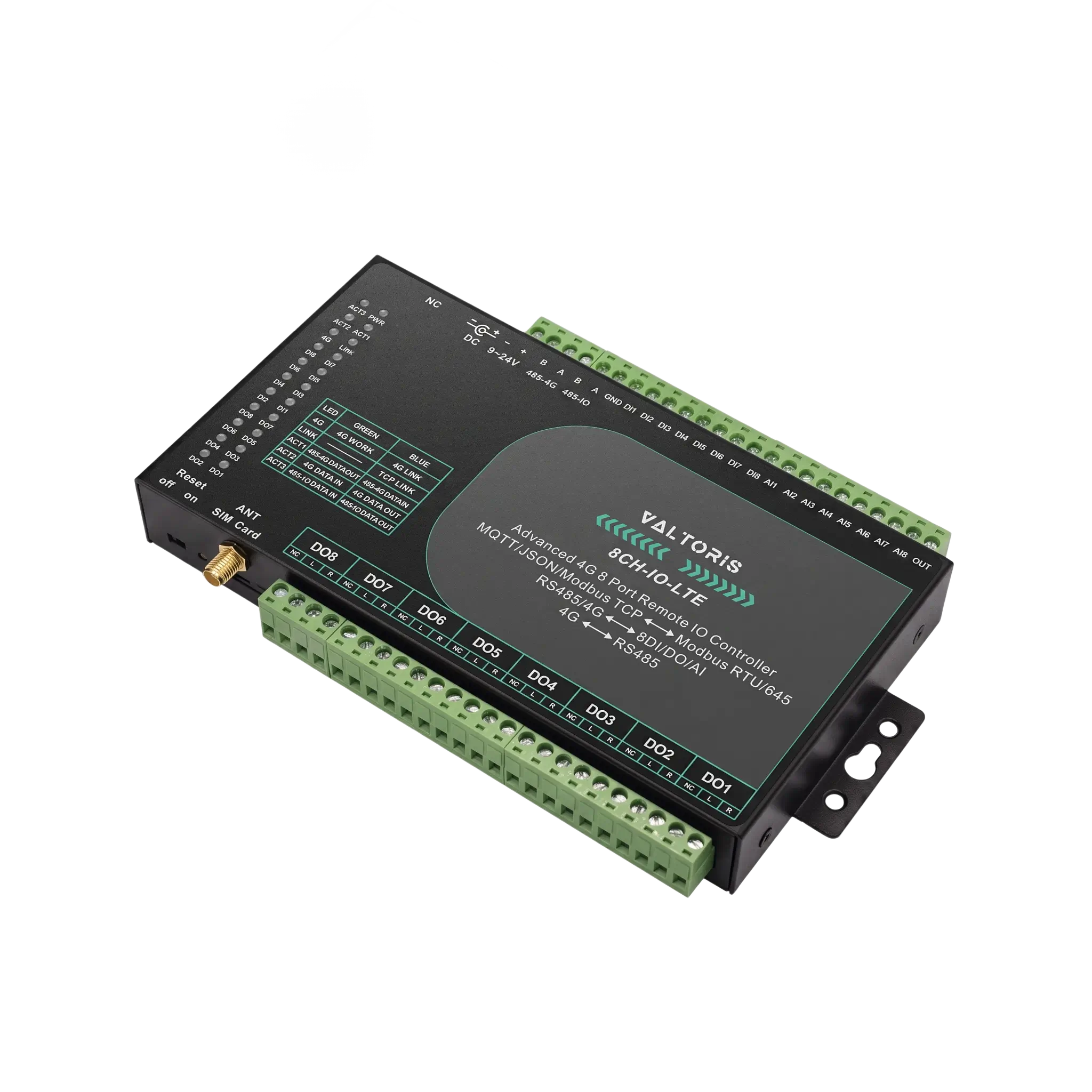
8CH-IO-LTE (4G)
Acquire 8x DI/DO/AI over 4G LTE. Direct-to-cloud MQTT publishing, perfect for remote pump stations.
View Details →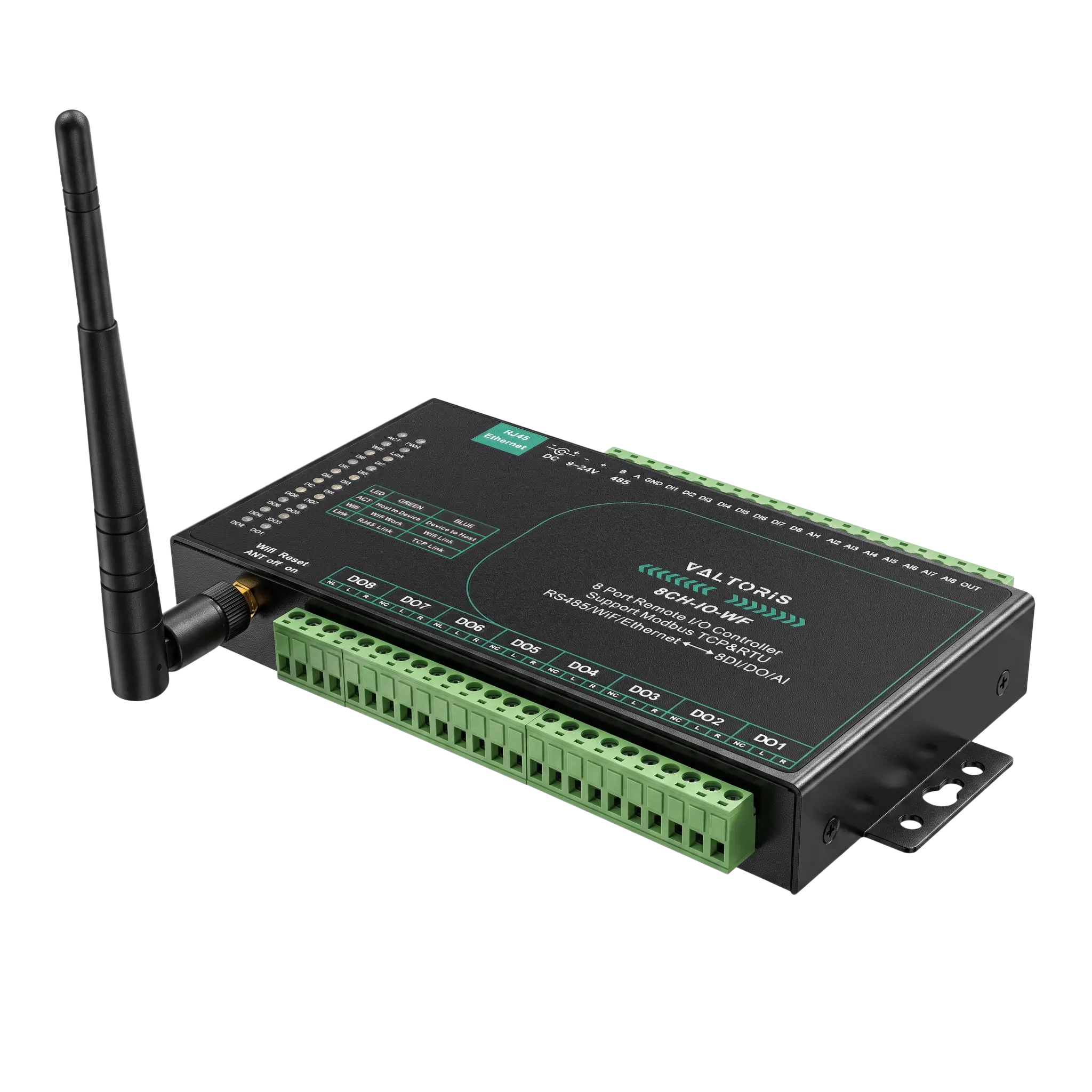
8CH-IO-WF (Wi-Fi)
Eliminate costly sensor wiring. 8-channel acquisition node with 2.4GHz Wi-Fi and Modbus TCP support.
View Details →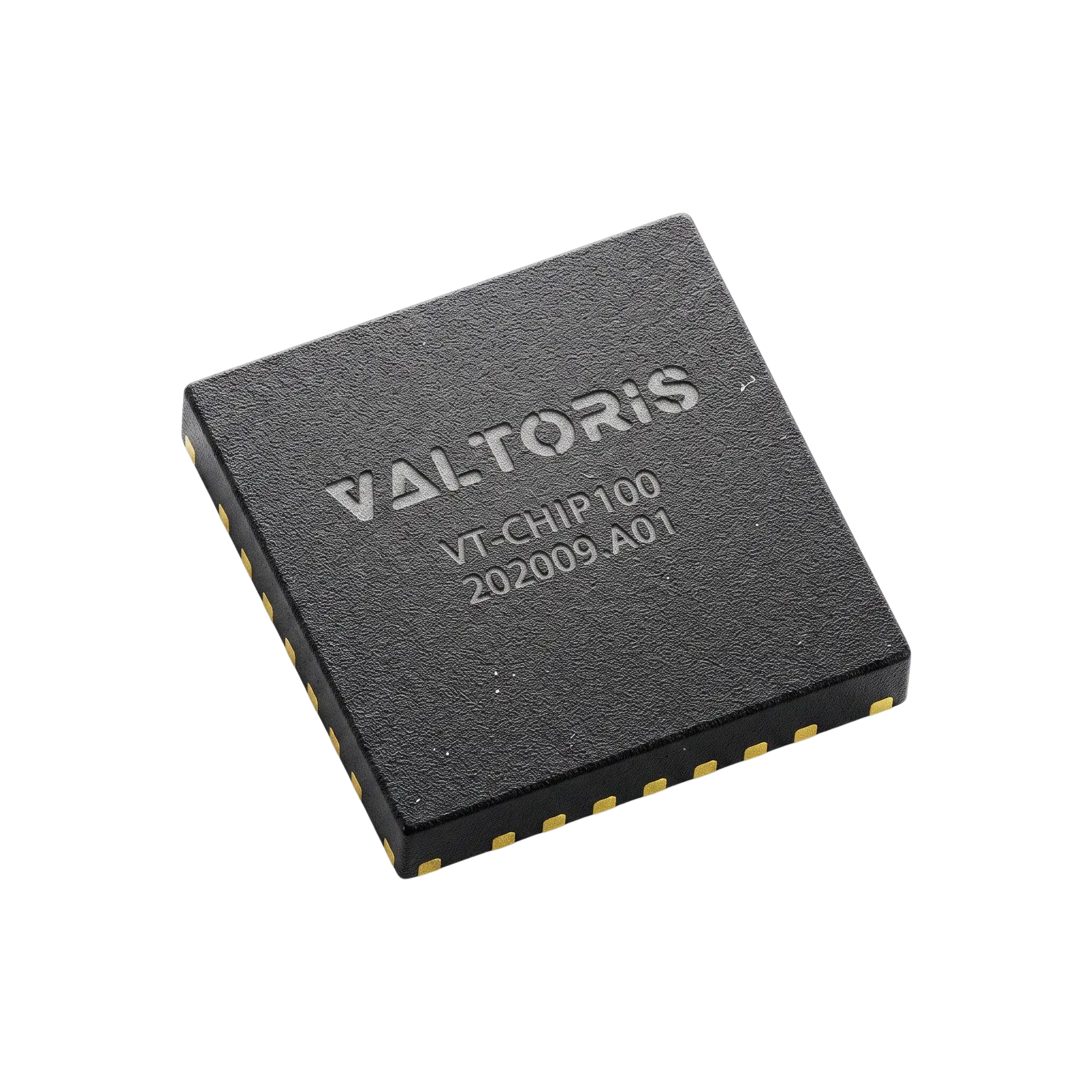
VT-CHIP100 SoC
Ultimate space saving. Single-chip UART to Ethernet solution with integrated MAC/PHY and ~25mA low power.
View Details →
Pin-Header Module
Drop-in ready for PCBs. Built-in RJ45 and network transformer. TCP/UDP bridging up to 921600bps.
View Details →Scale Your IoT Hardware & Automation Today
Whether you are outfitting a solar farm with ready-made Modbus controllers, or redesigning an access control PCB with our embedded networking chips, our engineers are here to support your integration.
Frequently Asked Questions
Q1: Should I use a ready-made Remote I/O Controller or build my own with an Embedded Module?
A: This comes down to your role (Build vs. Buy). If you are a System Integrator deploying sensors in a factory, use the Remote I/O Controllers. They have rugged enclosures, certified electrical isolation, and standard DIN-rail mounts. If you are an OEM designing a custom circuit board (like a medical device or smart meter), use our Embedded Modules/Chips to quickly add Ethernet/TCP capabilities to your internal microcontroller.
Q2: What is the difference between Remote I/O and Distributed I/O?
A: Distributed I/O usually implies a high-speed, backplane-dependent architecture closely tied to a specific PLC brand (like a Siemens rack extension). Remote I/O (like Valtoris controllers) is protocol-agnostic, standalone, and highly flexible. It uses standard networks like Modbus TCP over Wi-Fi, Ethernet, or 4G to send data over vast geographic distances where running a traditional PLC backplane is impossible.
Q3: Do these devices require external protocol gateways to reach the cloud?
A: No. Both our finished Controllers and Embedded Modules feature built-in edge computing capabilities. They can natively translate raw data into Modbus TCP or MQTT JSON formats. You can connect them directly to your SCADA software or publish securely to AWS/Azure IoT hubs without purchasing an intermediate gateway PLC.
Q4: How do I ensure data reliability in electrically noisy industrial environments?
A: Reliability must be addressed at the hardware level. Our finished Remote I/O controllers feature optical isolation to prevent ground loops and protect against high-voltage surges from VFDs. We provide extensive reference designs and integration guides for our embedded chips to help you achieve strict EMI/EMC compliance requirements for your PCB layout.